If you’ve ever bought cannabis from non-regulated sources, you might have noticed a confusing pattern: the effects aren’t consistent. One batch might make you feel mellow and relaxed, while another leaves you anxious or barely altered. This variability isn’t just in your head—it’s a real phenomenon linked to what experts call batch variation cannabis and unknown THC levels. In this post, we’ll explore why street cannabis can feel so unpredictably different every time, the risks it carries, and how tools like Pillreports, Enlighten, and Releaf are helping consumers navigate a murky market.
The Problem With Unregulated Weed Potency
Unlike regulated cannabis markets where strict labeling and quality controls are in place, street cannabis operates largely without oversight. This leads to two major issues:
- Unknown THC Levels: Without lab testing, there’s no accurate way to know how much THC—the primary psychoactive compound—is in the product you’re buying. Some batches are dangerously strong, while others are weak or inconsistent. Batch Variation Cannabis: Even within the same supposed "strain," the chemical makeup (cannabinoids, terpenes, and contaminants) can vary widely from batch to batch.
This means that every purchase is a bit of a gamble, and your body might react differently depending on which batch you receive.
What Does "Unknown THC Levels" Really Mean?
Simply put, it means you have zero reliable information about THC concentration. Many cannabis users rely on the label or seller’s word, but there’s no guarantee this is accurate when you buy street cannabis. Some common issues include:
- Overestimated potency: Sellers may exaggerate THC percentages to justify higher prices. Degraded THC: Improper storage or old stock can result in THC breaking down into less psychoactive compounds. Mislabeling: What is sold as “high” THC could sometimes be hemp or low-THC cannabis.
Without third-party lab results, these claims remain unverified.
Why Batch Variation Cannabis Occurs
Even cannabis cultivated legally can show batch-to-batch variation due to factors like growing conditions, harvesting time, and curing methods. Street cannabis amplifies this variation because:
Inconsistent Cultivation Methods: Some growers use outdoor grows vulnerable to weather changes, pests, and nutrient fluctuations. Mixing Batches: Dealers might blend different harvests or strains without disclosure. Poor Storage: Cannabis exposed to air, heat, or light loses potency and changes flavor profiles.These variables can make one gram of supposedly the “same” weed quite different chemically from another gram purchased weeks earlier.
Impact on User Experience
Because cannabis’ psychoactive effect depends on its chemical profile, inconsistent batches can lead to unexpected results such as:
- Heightened anxiety or paranoia if potency spikes. Reduced relief or altered medical effects for those using cannabis therapeutically. Unpredictable onset and duration of effects causing confusion.
Contaminants in Unregulated Cannabis: Hidden Dangers
Another major risk factor with street cannabis is contamination. Unlike regulated markets that test for contaminants, street cannabis may carry:
- Mould and Fungi: Poor drying and storage facilitate growth of mould, which can trigger allergic reactions and respiratory issues. Pesticides and Chemicals: Growers might use unapproved or toxic chemicals that linger on buds. Heavy Metals and Residues: Soil contamination or adulterants can introduce dangerous metals.
Using contaminated cannabis not only affects your experience but can have serious health consequences.
Why Smell or Appearance Isn’t Proof of Safety
There’s a common misconception that if weed smells fresh and looks “pretty,” it must be safe. This is misleading for several reasons:
- Mould spores can be microscopic and not visible to the naked eye. Pesticide residues don’t affect smell or look. Degradation can happen without obvious changes in appearance.
Always ask: “ What does the lab report actually say?” before assuming safety or quality.
The Role of Lab Testing and Verification
Third-party lab testing is the gold standard for verifying cannabis potency and safety. Reputable labs analyze samples using standardized methods and produce detailed reports on:
- THC, CBD, and other cannabinoid levels Terpene profiles, which influence flavor and effect Presence of mould, heavy metals, pesticides, and residual solvents
Thanks to lab testing, consumers can:
- Choose products with reliable potency for predictable effects Avoid contaminated or unsafe batches Make informed choices tailored to their needs
How to Use Third-Party Lab Results as a Consumer
When buying cannabis, especially online or from unfamiliar sources, check if lab results (often called Certificates of Analysis or COAs) are available. These should come from an independent lab, not the grower themselves. You can verify:
Batch number: Ensure results correspond exactly to the batch you’re purchasing. Test date: Results should be recent. Analyte levels: Confirm THC/CBD levels and any contaminants.
If you don’t see lab reports or they look suspicious, be wary.
How Platforms Like Pillreports, Enlighten, and Releaf Help
In the absence of pillreports.net official regulation, several tech-forward companies are stepping in to provide transparency and community insight.
Pillreports
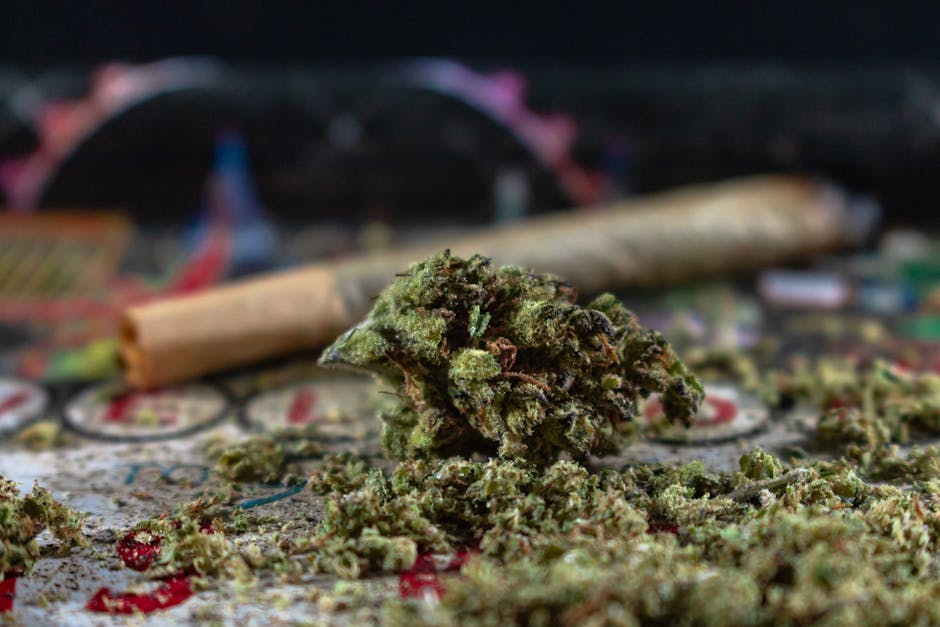
Pillreports is a community-driven database where users share independent lab test results and reviews. This helps build a collective knowledge base about batch variation cannabis and unknown potency. Users can look up batches by product code and see real data rather than guessing.
Enlighten
Enlighten is a UK-focused service that provides verified lab testing for cannabis products alongside educational resources. They emphasize the importance of knowing precise cannabinoid profiles and contaminant status to reduce health risks.
Releaf
Releaf offers users a platform to track and review their cannabis experiences tied to the batch and lab test info. This crowdsourced approach helps identify trusted batches and warns against problematic ones, enhancing personal safety in unregulated markets.
Regulated vs. Unregulated Cannabis: Understanding the Risks
Factor Regulated Cannabis Unregulated Street Cannabis Potency Disclosure Third-party lab tested with labels showing exact THC/CBD levels Unknown potency; sellers usually guess or exaggerate Batch Consistency Monitored cultivation ensuring minimal variation Wide batch variation due to inconsistent growing/storage Contaminant Testing Required testing for mould, pesticides, metals Rarely tested, contaminants common Safety Assurance Regulatory oversight and recall systems No formal oversight or consumer recourseClearly, regulated cannabis markets offer significantly greater safety and reliability. But for many, access remains limited, making awareness and tools vital for harm reduction.
Final Thoughts: Better Informed is Safer
Street cannabis feels different every time because of unregulated weed potency, batch variation cannabis, and hidden contaminants. Without reliable lab testing and consistent supply chains, each purchase is a roll of the dice. This uncertainty poses real risks to both recreational and medical users.
To protect yourself:
- Always ask for third-party lab results relevant to your specific batch. Use independent review platforms like Pillreports, Enlighten, and Releaf to check community feedback. Don’t rely on smell or looks to assess safety or potency. Advocate for expanded regulated access in your region.
Remember: knowing exactly what’s in your cannabis—not guessing—is the key to a safer, more predictable experience.
```