Here's what kills me: i spent five years working the night shift. Back then, my sleep schedule wasn’t just "off"—it was non-existent. When I finally transitioned into wellness blogging, I realized that the exhaustion I felt wasn't just a result of working at 3:00 AM. It was a classic case of burnout. I wasn't just tired; my nervous system was stuck in a permanent "on" position.
Many of us reach for sleeping pills or try the latest TikTok trend to fix our rest, but we often miss the underlying issue: burnout. If you are struggling to sleep despite being exhausted, you aren't alone. Let’s break down why this happens and how to fix it without falling for "miracle cure" marketing.

The Biology of Burnout and Sleep
Burnout isn't just "being tired." It is a state of emotional, physical, and mental exhaustion caused by excessive and prolonged stress. When you are burned out, your stress response system—the sympathetic nervous system—is stuck in high gear. Think of it like a car engine that keeps revving even when the car is parked in the driveway.
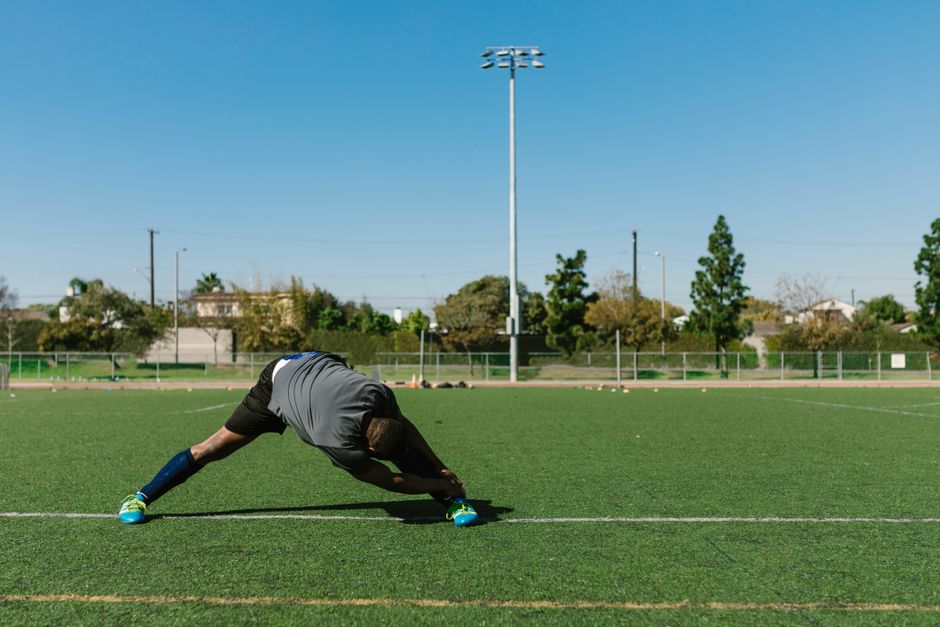
Your body produces cortisol, a primary stress hormone, to help you deal with perceived threats. In small doses, this is fine. But when you are burned out, your cortisol levels remain elevated for too long. When bedtime rolls around, your body is biologically wired to stay alert because it still thinks it needs to be ready for the next "threat" (often, that threat is just an unread email or a looming project deadline).
This is why you might feel "tired but wired." You want to sleep, but your brain refuses to drop the guard. This sleep disruption is the body's way of telling you that your internal regulation is off balance.
The Remote Work Trap: Constant Connectivity
Remote work is a double-edged sword. While many of us love the freedom of working from home, it has destroyed our ability to disconnect. In a traditional office, the act of leaving the building provides a physical boundary. In a home office, that boundary doesn't exist.
When your living room is your office, your brain struggles to associate "home" with "rest." If you check your laptop at 9:00 PM, you are essentially telling your brain that the "work threat" is still active. This constant connectivity keeps your nervous system in a state of high alert, making it nearly impossible to transition into the deep, restorative sleep you need.
TikTok vs. Evidence-Based Health
If you search for "burnout recovery" on social media, you will be hit with an avalanche of "miracle cures." You’ll see influencers selling expensive supplements, unverified morning routines, or "biohacks" that promise to fix your energy levels in three days. Please, treat this with extreme skepticism.
Most of what you see on TikTok is anecdotal, not medical advice. It often skips the nuance of how an individual's biology actually works. When you need help with persistent sleep issues, you shouldn't be relying on a 60-second video.
Instead, look to reliable digital healthcare platforms and established institutions like the NHS. These sources provide vetted, peer-reviewed guidance. If you are using online consultations to discuss your fatigue, ensure you are speaking with registered professionals, such as those found through the NHS or specialized, regulated clinics like Releaf. These services provide structured, professional medical guidance rather than "hacks" that might do more harm than good.
Recovery is a Daily Habit, Not a Destination
The most dangerous advice I see online is "just relax." It’s vague, unhelpful, and frankly, insulting when you are truly burned out. You cannot "relax" your way out of burnout if your daily habits are feeding the stress response.
Recovery is a series of boring, repetitive actions. It is about regulating your nervous system throughout the day, not just at 10:00 PM. Here is a simple comparison between trendy "quick fixes" and sustainable habits.
The Trend The Evidence-Based Habit Taking "sleep supplements" found on social media. Focusing on consistent light exposure and consistent bedtimes. Buying an expensive "smart ring" to track sleep anxiety. Removing screens 60 minutes before bed to lower cognitive load. "Hard-resetting" your nervous system with cold plunges. Practicing rhythmic breathing or gentle movement to calm the system. Ignoring symptoms until you crash. Using digital healthcare platforms to consult professionals early.The Night-Shift Recoverer’s Evening Routine
I learned the hard way that you cannot just jump from a high-stress workday straight into bed. You need a "bridge"—a transition period that signals to your body that the workday is officially over. This routine is simple, free, and grounded in basic physiology.
A Practical 60-Minute Wind-Down
1 Hour Before Bed: The "Shut Down" RitualClose your laptop and put your phone in a drawer or another room. If you must use your phone, turn on the "Night Shift" or "Blue Light Filter" setting. Do a quick 5-minute "brain dump" by writing down every task you are worried about for tomorrow. Once it’s on paper, your brain doesn't have to "hold" the information anymore.
45 Minutes Before Bed: Change Your EnvironmentDim the lights in your home. This signals your body that it is time to start producing melatonin. If you have to do chores, do something repetitive and low-stimulation, like folding laundry or prepping your coffee maker for the next morning. Avoid high-stakes television or intense debates online.
30 Minutes Before Bed: Physical RegulationDo something that forces your body to slow down. I recommend 5–10 minutes of gentle stretching or focused, rhythmic breathing (try the 4-7-8 technique: inhale for 4, hold for 7, exhale for 8). This literally forces your heart rate to slow down and pushes your nervous system out of "fight or flight" mode.
15 Minutes Before Bed: The Low-Stimulation Finish
Read a physical book or listen to a non-engaging podcast. Nothing that requires heavy analytical thinking. By the time you get into bed, your brain should be bored, not stimulated.
When to Seek Professional Help
If you have implemented consistent habits and are still struggling with sleep or exhaustion, it is time to move beyond self-help. Burnout can sometimes mask other underlying conditions like thyroid imbalances, sleep apnea, or clinical depression.
Don't be afraid to book an online consultation via a reliable digital healthcare platform. Whether you reach out to your local NHS practitioner or a specialized clinic, be honest about your symptoms. Use your sleep diary to explain that you aren't just tired—you are experiencing a physiological inability to switch off. There is no shame in seeking medical support when your body stops functioning the way it should.
Conclusion
Burnout-related sleep issues are a sign that your body’s https://menupricephl.com/the-search-for-better-recovery-has-become-part-of-everyday-life/ regulation system is exhausted, not that you are "bad" at sleeping. By stepping away from the "miracle cure" trends and focusing on consistent, boring, and science-backed recovery habits, you can slowly teach your nervous system how to feel safe again.
Start today by moving your phone out of the bedroom. It’s a small step, but it’s the first move toward regaining control over your rest. Pretty simple.. Recovery isn't a race, and it isn't a trend; it’s a commitment to treating your body with the respect it needs to function properly.