If you have ever spent a night staring at the ceiling, waiting for your brain to shut off, you know that the term “sleep disorder” is far too clinical for the frustration it causes. Sleep is the foundation of our physical and mental health. When that foundation is shaky, everything else—our focus, our mood, and our resilience—begins to crumble.
In the UK, the conversation around sleep improvement is shifting. While we have long relied on standard clinical pathways, many patients are now asking questions about medical cannabis and its role in promoting sleep consistency. It is a complex topic, and it requires a careful look at what the evidence actually says versus what is often hyped online.
Beyond Insomnia: Understanding Sleep Disorders
When people talk about struggling with sleep, they usually jump straight to the word “insomnia.” While that is certainly common, it is merely one piece of a much larger puzzle. Sleep disorders are diverse, and understanding yours is the first step toward finding the right treatment.
So, what else is out there? Sleep architecture is broad. You might be dealing with:
- Circadian Rhythm Disorders: These occur when your internal body clock is out of sync with your environment. Think of people who suffer from delayed sleep phase syndrome. Restless Legs Syndrome (RLS): An uncomfortable urge to move your legs, which often worsens at night and makes falling asleep physically difficult. Obstructive Sleep Apnea (OSA): A condition where breathing repeatedly stops and starts, causing constant micro-awakenings that you might not even remember. Parasomnias: These are disruptive behaviors during sleep, such as sleepwalking or night terrors.
That said, even if you do have a formal diagnosis of insomnia, it is rarely a standalone issue. It is often a symptom of something else—anxiety, chronic pain, or neurological conditions. Treating the symptom alone without addressing the underlying cause is rarely successful in the long run.
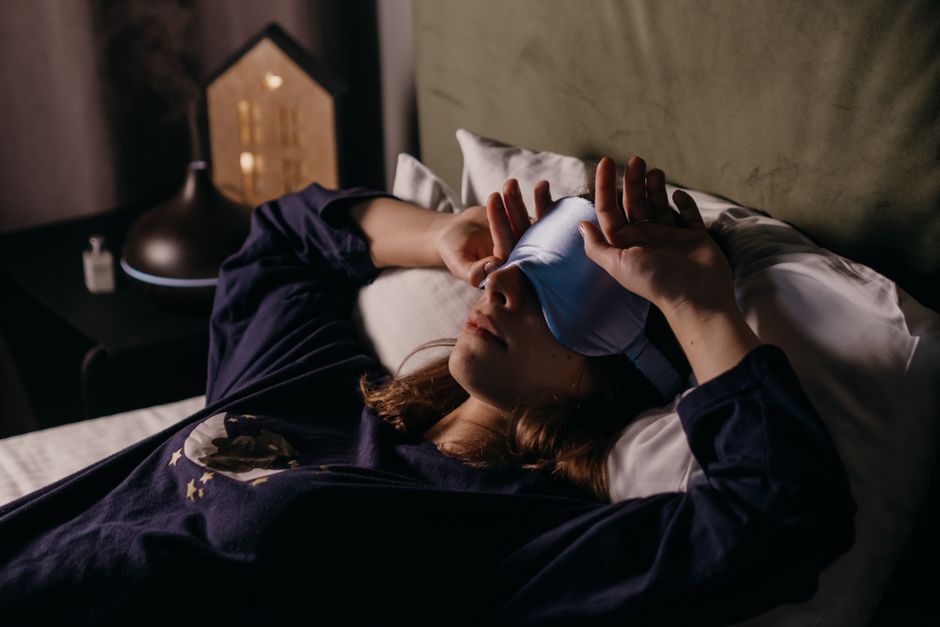
The Hidden Cost: Why Daytime Impact Matters
We often treat sleep as a "nice to have," but the daytime impact of poor sleep is profound. When you lose out on consistent sleep, your body is effectively running on a deficit.
The impact isn't just feeling grumpy in the uk medical marijuana for sleep morning. It shows up in significant ways:
- Cognitive decline: Your ability to process information, remember tasks, and make decisions slows down. Emotional regulation: You have a shorter fuse. Sleep deprivation directly affects the amygdala, making negative reactions more likely. Physical health: Your immune system requires deep sleep to regenerate. Chronic sleep debt is linked to a higher risk of heart disease, obesity, and diabetes. Safety: Microsleeps—brief moments of nodding off—are a major cause of traffic accidents and workplace errors.
So, when patients report that they are seeking "sleep consistency," they aren’t just looking for more hours. They are looking to regain their quality of life during the 16 hours they are awake.
The Standard UK Pathway: A Step-by-Step Approach
In the NHS and the broader UK medical community, there is a very specific, evidence-based approach to managing sleep. Before looking at alternative treatments, your GP will typically guide you through a structured pathway. It looks like this:
Sleep Hygiene Audit: This is your baseline. Your GP will check if you are keeping a regular sleep schedule, avoiding stimulants like caffeine in the afternoon, and ensuring your bedroom environment is dark, cool, and quiet. Cognitive Behavioural Therapy for Insomnia (CBT-I): This is the gold standard. It involves working with a therapist to identify and replace thoughts and behaviors that cause or worsen sleep problems. It focuses on the "why" behind your wakefulness. Short-term Medication: If CBT-I is unavailable or ineffective, a doctor may suggest short-term pharmaceutical interventions. These are strictly monitored because of the high risk of dependency and the potential for a "hangover" effect the next day.That said, this pathway works for many, but not for everyone. Some patients find that they do not respond to CBT-I, or that the side effects of traditional sedatives are too disruptive to their daytime functioning. This is where the conversation usually shifts toward other options.
When Patients Look Beyond Conventional Options
When the standard pathway fails, patients start looking for tools that offer more consistency. They aren't looking for a "miracle cure"—a term that is, quite frankly, dangerous and inaccurate in medical contexts. Instead, they are looking for fewer interruptions.
This is where medical cannabis enters the discourse. It is important to note that medical cannabis is not a monolith. It is not the same for everyone. Different strains, delivery methods, and cannabinoid profiles (such as THC vs. CBD ratios) can produce vastly different results depending on the individual’s physiology.
So, why do some patients report it helps with sleep consistency?
The Role of "Fewer Interruptions"
Patient reports often highlight that while they may not necessarily get more hours of sleep, they get *better* hours. Many describe a reduction in the "noise" of the mind—the racing thoughts that typically keep people awake or wake them up in the middle of the night.
If you are managing chronic pain, that physical discomfort is a major driver of sleep fragmentation. By modulating the pain response, medical cannabis may allow a patient to move through sleep cycles without being jarred awake by aches or muscle tension.
Understanding Sleep Architecture
Sleep isn't just one long block. We cycle through different stages, including REM (Rapid Eye Movement) and deep sleep. Some pharmaceuticals suppress REM sleep, which can lead to a how to treat sleep fragmentation feeling of being "groggy" the next morning. Early observations suggest that certain cannabis-based products may have a different impact on sleep architecture, though more robust, large-scale clinical trials are needed to fully map this out.

Comparing Treatment Approaches
To help you visualize how these interventions differ, here is a breakdown of the standard approach compared to emerging options:
Treatment Primary Goal How it Works Best For Sleep Hygiene Establish a baseline Modifying environmental and behavioral factors Mild, situational sleep issues CBT-I Long-term habit change Changing the psychological relationship with sleep Chronic insomnia Short-term Meds Immediate sedation Chemical suppression of arousal Acute, time-limited distress Medical Cannabis Symptom management Interaction with the endocannabinoid system Conditions like pain-related sleep disruptionA Note on Safety and Regulation
As a professional writer in this space, I have to be clear: Medical cannabis is a regulated treatment. In the UK, it is only prescribed by specialists, not GPs, and it is strictly for patients who have exhausted other standard treatment options without success.
That said, the "miracle cure" narrative often pushed in social media circles is harmful. Medical cannabis has side effects, including the potential for cognitive impairment, increased heart rate, and interactions with other medications. It is not a "works instantly" solution. In fact, many patients find they need to titrate their dose slowly over weeks to find the sweet spot where their sleep feels more consistent without feeling impaired.
Final Thoughts: Moving Forward
If you are struggling with your sleep, do not lose hope. The path to consistency is rarely a straight line. It is a process of trial and error, ideally guided by a healthcare professional who listens to your specific symptoms rather than handing out a one-size-fits-all prescription.
So, start with the fundamentals. If you haven't fully committed to the rigor of CBT-I or improved your sleep hygiene, those remain your strongest tools. If you have been through those channels and feel you are still falling through the cracks, speak to your GP about a referral to a specialist clinic. Ask questions. Be honest about your daytime impact. And remember: the goal is not to be "knocked out"—the goal is to wake up feeling like you’ve actually slept.
Disclaimer: This post is for educational purposes and does not constitute medical advice. Always speak with your GP or a qualified healthcare specialist before making changes to your health regimen or considering medical cannabis.