For nearly a decade, I sat in press junkets, green rooms, and post-production suites. I’ve watched the internal architecture of the UK creative industries shift from a culture of "hustle-until-you-break" to something—at least superficially—more focused on mental wellbeing. For years, the conversation around anxiety and sleep quality was relegated to whispered confessions in trailers or the bleary-eyed admissions of 3:00 AM edit sessions. Today, that conversation is finally moving into the daylight.
But there is a catch. As this dialogue shifts, the industry is increasingly looking toward medical solutions. The days of treating anxiety with nothing but adrenaline and caffeine are ending, replaced by a more nuanced, clinical approach. However, if you see someone on set using a medical vaporization device, do not assume they are "partaking." They are likely following a strict clinical protocol. This is prescribed, not a lifestyle accessory.
The Creative Burnout Crisis: Why Now?
Creative work is rarely a 9-to-5 affair. It is an industry built on the back of irregular schedules—late-night shoots, looming deadlines, and the crushing pressure of high-stakes performance. For years, "burnout" was seen as a badge of honor, a prerequisite for talent. Now, the mask is slipping. The industry is recognizing that poor sleep quality isn't just an inconvenience; it’s a career-killer.
When the internal cost of creative output became too high to ignore, the search for solutions began. We moved from generic "wellness" buzzwords—which usually involve overpriced supplements or vague meditation apps—to something more rigorous: evidence-based medicine. This is where the intersection of mental wellbeing and medical cannabis has begun to evolve, shedding its counterculture skin and entering the realm of professional healthcare.
The "Marketing Fluff" Filter
As a journalist, my inbox is flooded with brands claiming to "hack" your anxiety or "optimize" your sleep. I keep a running list of terms that signal pure marketing fluff: "curated bliss," "zen-focused lifestyle," or "plant-powered productivity." True medicine doesn't need a lifestyle brand. It needs a clinician.
Medical Cannabis vs. Counterculture
One of the most damaging stereotypes I’ve encountered in the arts is the "stoner creative." This lazy trope suggests that cannabis is purely for escapism or for "getting into the zone." In the world of medical cannabis, this couldn't be further from the truth. In the UK, the focus has shifted toward specialist clinics that prioritize patient outcomes over anecdotal highs.
If you are looking for information, start with reputable sources. While I often lean on peer-reviewed papers, sites like Healthline provide a solid foundational breakdown of the differences between CBD vs. THC, which is essential for understanding how these cannabinoids affect the endocannabinoid system differently. In a clinical setting, these are not used for "fun"; they are used to stabilize circadian rhythms and dampen the noise of an anxious nervous system.
The Rise of Specialist Clinics in the UK
The UK has seen a surge in medical infrastructure, with organizations like Releaf positioning themselves as leaders in the space. They are the UK’s largest medical cannabis clinic, and their model highlights the fundamental shift I’ve been observing: the removal of the illicit "dealer" dynamic in favor of a doctor-patient relationship.

Here is why this matters for the creative professional:
- Clinical Oversight: You aren't self-dosing based on what a friend brought to a wrap party. You are working with a specialist who understands your medical history. Personalized Prescribing: No two brains are the same. A writer suffering from performance-related anxiety needs a different treatment profile than an editor struggling with insomnia caused by night shifts. Accountability: Regular follow-ups ensure that the medication is actually achieving the treatment goals.
The Medical Reality of Vaporization
There is a dangerous amount of confusion regarding the term "vape." When we talk about medical cannabis, we are not talking about those colorful, strawberry-scented disposable nicotine vapes that have become a pervasive sight on London streets. That conflation is frustrating, dangerous, and scientifically illiterate.
In a medical setting, vaporization devices are sophisticated, temperature-controlled instruments designed to heat dried flower to a specific point—releasing the therapeutic compounds without combustion. Because many creatives have tight, often unpredictable routines, vaporization is frequently prescribed because it offers rapid onset, allowing a patient to manage a sudden spike in anxiety with clinical precision.
The Ritual of Routine
Creatives live on odd schedules, which is why routine is everything. If you are prescribed medical cannabis, the doctor will likely have you on a specific regimen—perhaps a low-dose, high-CBD profile during the day for anxiety, and a different, THC-dominant profile in the evening to assist with sleep onset. This is about biological regulation, not recreational indulgence.
Understanding Your Treatment Plan
If you are exploring this route, it is vital to understand that this is not a trend. It is a regulated medical CBD vs THC differences intervention. Here is a breakdown of what a standard clinical engagement looks like:
Phase Objective Initial Assessment Clinical history review and eligibility check Treatment Formulation Determining strain, cannabinoid ratio, and titration The Routine Strict adherence to dosing times aligned with your work schedule Follow-up Monitoring side effects and efficacyReality Check: It’s Not a Lifestyle Accessory
I feel the need to be blunt: if you are interested in medical cannabis because you think it’s "aesthetic" or a way to fit in with the "modern, evolved creative," stop. This is healthcare. It involves paperwork, costs, strict UK laws, and the oversight of a physician who has the power to deny you a prescription if it’s not medically appropriate.
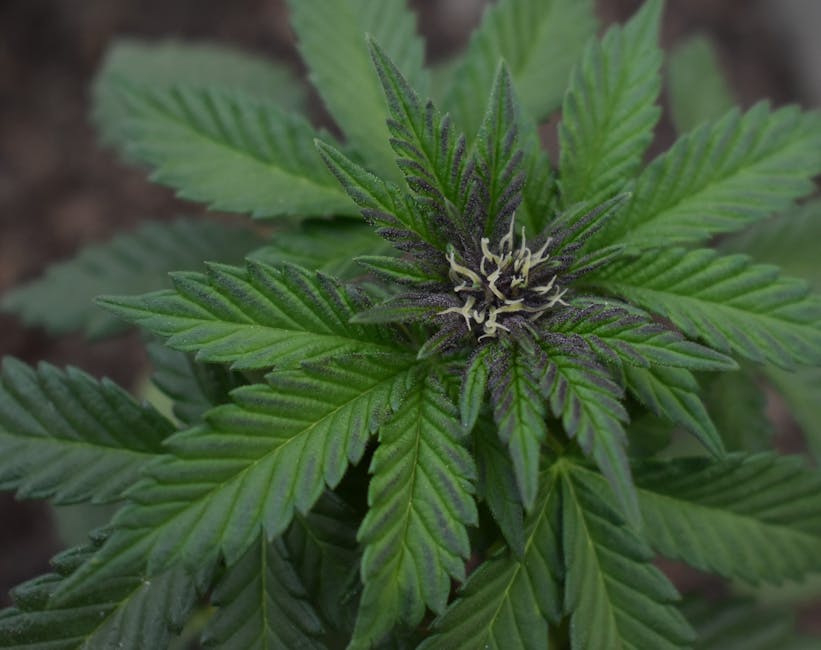
The stigma is fading, yes. That is a positive development for patients who were previously forced to navigate the black market to manage debilitating anxiety or chronic insomnia. But let’s ensure that as the arts become more open about mental wellbeing, we keep the focus on the science, the patient, and the clinical evidence. We have spent enough years mythologizing the "troubled genius." It is time we start valuing the "healthy, supported professional" instead.
Conclusion
The sudden openness in entertainment spaces regarding mental health is a win for everyone involved. It allows for more empathy, better work-life boundaries, and, eventually, a higher standard of creative output. When we stop treating sleep problems as a character flaw and start treating them as a physiological hurdle, we can use the tools available—specialist clinics, medical cannabis, and therapy—to actually solve the problem.
Just remember: If you see a colleague using a medical vaporizer during a break, treat it with the same neutrality you would an inhaler or a blood glucose monitor. It’s not a lifestyle choice. It’s just their routine.