If you are reading this at 2:00 AM, feeling overwhelmed by chronic pain, anxiety, or a condition that the standard NHS pathway hasn’t quite managed, I hear you. I spent six years in NHS admin roles before moving into health tech writing. I have seen the paper trails, the frustration of "computer says no," and the relief patients feel when they finally get someone to listen.
The landscape of medical cannabis in the UK has shifted drastically over the last five years. It has moved from a fringe, misunderstood topic to a regulated, digital-first healthcare service. Whether you’ve been directed here by CuteBlessings or you’re simply conducting your own research, you are likely wondering: What does an online consultation actually look like?
The Evolution of the Digital Consultation
Five years ago, getting a specialist opinion often meant taking a day off work, sitting in a draughty waiting room, and hoping the consultant had access to your records. Today, we use telehealth systems.
In the world of medical cannabis, the process is inherently digital. Because these clinics are private, they have built their own portals. You aren't navigating an ancient NHS booking system. You are logging into a streamlined app or website, uploading your Summary Care Record (SCR), and clicking a link. It is functional, it is fast, and it is designed to minimize the friction that usually keeps patients from getting help.
Before the Call: The Eligibility Assessment
Before you even step into a video consultation, you’ll go through an eligibility assessment. Don't panic about this part. It isn't a trick question.
Clinics like Releaf—currently the UK's most reviewed cannabis clinic—use these initial digital screenings to ensure they aren't wasting your time or money. They need to see that you have tried conventional treatments (medication or therapy) and that those treatments haven't worked or have caused side effects. That is the baseline for legal medical cannabis in the UK.
What to have ready before you click "Join":
- Your SCR (Summary Care Record): You can request this from your GP. It lists your past diagnoses and the medications you have been prescribed. A list of "Tried and Failed": Have a clear list of what you’ve taken, for how long, and why you stopped. Doctors love clarity; it makes their job easier. A stable internet connection: It sounds obvious, but test your microphone and camera. If the connection drops, the consultant has to reset the session, which eats into your time. A quiet space: You are going to be discussing sensitive medical history. Make sure you aren't in a busy coffee shop.
The Consultation: A Step-by-Step Breakdown
Once you click the link in your email or the clinic’s portal, you’ll be placed in a digital "waiting room." Here is exactly what happens next.
Stage What happens The Connection The doctor joins the video call. They will verify your identity. Have your ID (passport or driving license) ready. The History They won't just talk about cannabis. They will deep-dive into your condition, your triggers, and your current quality of life. The Review They will discuss what you’ve tried previously. If you have done your own research via platforms like PubMed, mention it. Doctors appreciate a patient who is evidence-aware. The Plan If you are eligible, they will discuss a potential treatment plan. They will explain the different types of cannabis-based products and how they are administered.Managing Your Expectations
I get annoyed when people claim a treatment "works for everyone." That is nonsense. Medical cannabis is a nuanced, individualized treatment. It is not a magic bullet.
During the consultation, the doctor will likely be cautious. They are managing your safety, not just your symptoms. They will talk about "titration"—which is a fancy word for starting low and going slow. You won't be told to take a large dose on day one. You will likely start with a small amount to see how your body reacts.
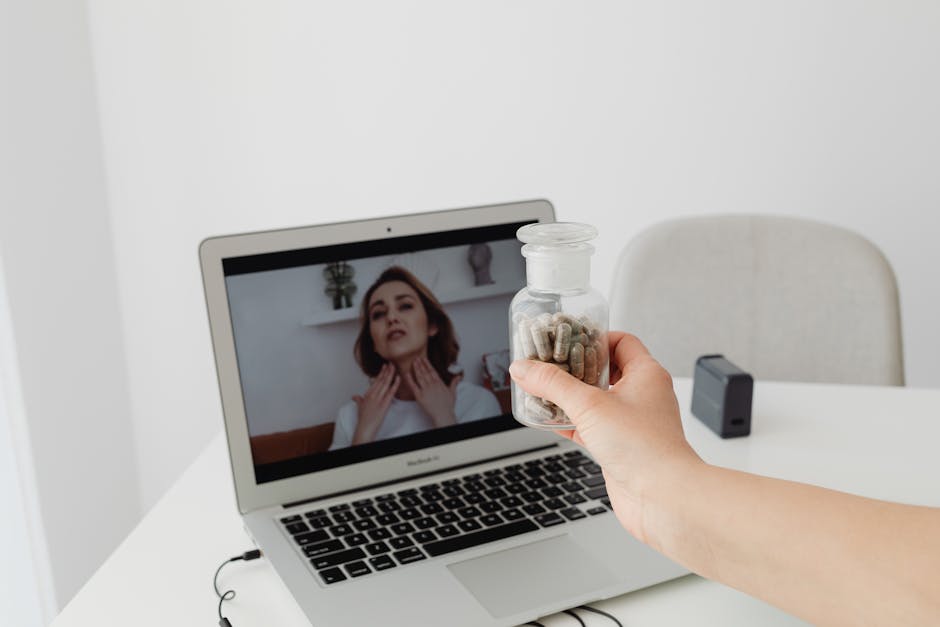
If you don’t qualify, the doctor should be able to explain exactly why. It might be due to contraindications with your current medication, or because you haven't yet exhausted all first-line treatments on the NHS. If they say no, it isn't a personal failure; it is a clinical safety gate.
The Research Factor: PubMed and Patient-Led Curiosity
I have spent years watching patients move from passive recipients of care to active partners. When you enter that video consultation, you are allowed to ask questions.
If you have read an abstract on PubMed regarding your specific condition and cannabis, mention it. "I saw this study on PubMed, and I wanted to know if this approach is something you use." This signals to the clinician that you are serious and informed. It changes the dynamic from a "doctor lecturing a patient" to a collaborative medical discussion.
Why Digital Adoption Matters
The rise of these clinics has effectively lowered the barrier to entry. In the past, seeking a specialist meant referrals, waiting lists, and letters getting lost in the post. Now, the integration of telehealth systems means the notes from your consultation are uploaded immediately, the prescription is sent to a pharmacy, and the medication is often at your door within a few days.
This is healthcare at the speed of modern life. It isn't perfect—no system is—but it is a significant step away from the bureaucratic nightmares I saw during my NHS days.

Final Thoughts: Don't Overthink It
If you’re feeling nervous, that’s normal. You’re meeting a new doctor, discussing a stigmatized treatment, and hoping for relief.
Keep your notes https://cuteblessings.com/how-medical-cannabis-is-helping-people-in-the-uk-find-relief/ clear, be honest about what you’ve tried, and remember: this is a professional medical appointment. The doctor is there to assess you, not to judge you. Whether you choose a clinic like Releaf or another provider, the goal of the consultation is the same: to determine if this treatment can improve your day-to-day life.
Take it one step at a time. Do your research, prep your documents, and treat the video call like any other medical consultation. You are your own best advocate.