In the UK, the shift toward medical cannabis as a legitimate treatment option for chronic conditions has been significant, yet it remains one of the most misunderstood areas of healthcare. Unlike buying a supplement online or visiting a recreational dispensary in other jurisdictions, accessing medical cannabis in the UK is a rigorous, clinical process governed by strict regulations.
If you are approaching your first consultation, it is important to discard any preconceived notions about “quick fixes” or “instant relief.” Instead, view this as you would any other appointment with a private specialist. You are entering a clinical pathway that requires transparency, medical history documentation, and, above all, patience.
The Clinical Pathway: It Starts Before the Consultation
Before you ever sit down (virtually or in-person) with a consultant, the paperwork begins. This is the stage where most patients encounter their first hurdle. In the UK, medical cannabis is only considered after licensed conventional treatments have failed to provide adequate relief.
To be eligible, you must prove that you have tried at least two previous treatments for your condition. This is not a box-ticking exercise; it is a clinical requirement. You will need to obtain your Summary Care Record (SCR) or a detailed medical summary from your NHS GP. Without this evidence, the consultant cannot proceed. If you are uncertain about what qualifies, platforms like Releaf offer comprehensive guides on their medical cannabis starter kit UK page, which can help you understand the foundational steps required to prepare your files.
Why the First Consultation is Not a Formality
Patients often worry that their first consultation will be a “rubber stamp” process. This is rarely the case in a reputable clinic. A consultant doctor must conduct a thorough risk-benefit analysis. They are evaluating your neurological history, potential drug interactions, and mental health background. If you have a history of psychosis or certain heart conditions, the clinical risks may outweigh the benefits, and they will likely advise against treatment.
When you enter that room, you are the investigator as much as the patient. You need to understand how the medication will fit into your life and how to manage the regulatory expectations that follow.
Essential Questions to Ask Your Consultant
I always advise patients to bring a written list of questions to their first session. It is easy to forget details when you are discussing complex health needs. Use this table as a starting point for your notes.
Category Key Question to Ask Why it Matters Clinical "What are the specific product options available for my condition?" Cannabis is not one-size-fits-all. Different cultivars have varying cannabinoid profiles. Safety "What is the titration schedule, and how do I report side effects?" You must start low and go slow to avoid adverse reactions. Practical "What is the required follow-up schedule?" Prescriptions are usually limited to one month at a time to ensure monitoring. Legal "How do I prove this is a legal prescription if stopped by the police?" You must understand how to carry your medication and supporting documentation.The Importance of the Follow-up Schedule
One of the biggest red flags in the industry is the attempt to bypass follow-up appointments. In the UK, medical cannabis is a controlled drug. Because of this, it is legally and clinically imperative that your consultant monitors your response to the treatment regularly.
The follow-up schedule is not just a way to pay more fees; it is a vital safety check. During these follow-ups, your consultant will assess whether the product is effectively managing your symptoms or if your dosage needs to be adjusted. Skipping these appointments can lead to the termination of your prescription, as the clinic is legally obligated to ensure you remain under clinical supervision.
Documentation Requirements: Stay Organized
Do not underestimate the importance of your documentation. You are essentially carrying a controlled substance that is not widely understood by the general public or even some law enforcement officers.

Always ask your clinic for a digital copy of your prescription and a "Letter of Authority" or a patient card. When traveling or simply moving about in your daily life, ensure you keep your medication in its original packaging. This packaging is a legal document in itself, containing your name, the date of dispensing, and the clinic/pharmacy information.
Verifying Your Pharmacy and Provider
As a consumer, you have the right to verify that the pharmacy handling your medication is regulated. In the UK, all pharmacists and pharmacy premises must be registered with the General Pharmaceutical Council (GPhC). You can check if a pharmacy is legitimate by visiting pharmacyregulation.org.
If a clinic suggests a pharmacy that you cannot verify on the GPhC register, pause the process. Medical cannabis is a healthcare sector; if the entities you are dealing with are not adhering to the standard regulatory oversight expected of UK pharmacies, you are putting your health at risk.
Understanding Product Options
Patients often ask about "strains" as if they are ordering from a menu. However, in a medical setting, we talk about "cannabinoid profiles." Your consultant should be able to explain whether you are looking for a high-CBD (cannabidiol) product, a high-THC (tetrahydrocannabinol) product, or a balanced ratio.
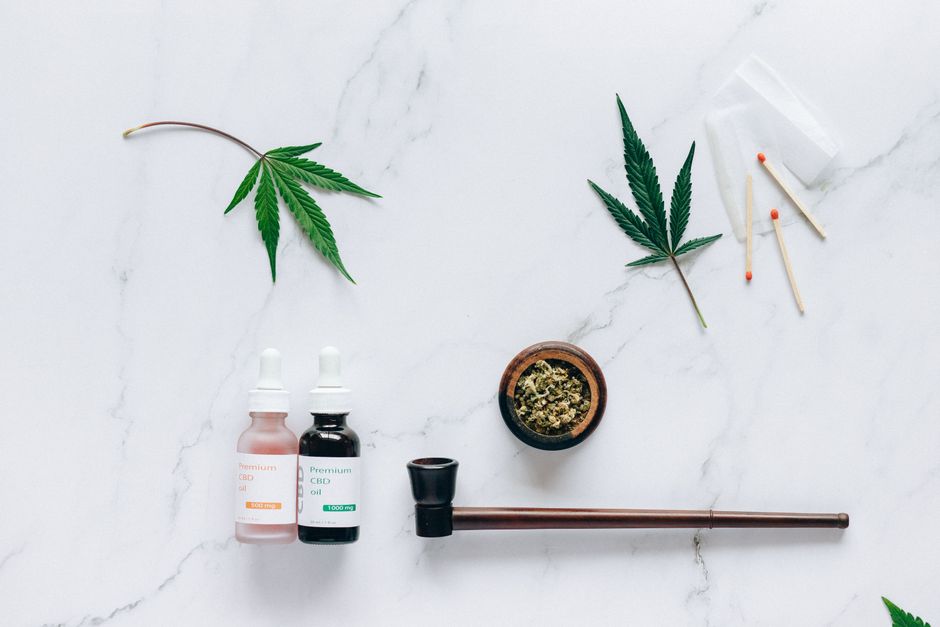
Ask your doctor about the delivery method. Are you using an oil (sublingual) or an inhaled flower (vaporized)? Inhaled flower is strictly for use with a medical-grade vaporizer—do not assume you can smoke the product. The medical pathway strictly prohibits smoking, as it defeats the clinical aim of controlled, vaporized dosing.
Managing Expectations
Finally, I want to address the "instant relief" myth. Medical cannabis is a treatment that requires titration. You are training your body to interact with cannabinoids, private medical cannabis prescription and finding the "sweet spot" of your dosage can take several weeks, sometimes months.
Do not go into your first consultation expecting that you will walk out with a miracle cure. Go in expecting to start a new, monitored, and highly regulated medical journey. Ask your consultant about how to track your symptom progress—many clinics suggest keeping a journal. This data is invaluable during your follow-up appointments and helps the doctor make evidence-based decisions about your care.
Summary Checklist for Your First Consult
- Verify Records: Ensure your GP has sent your medical history. Ask About Titration: Specifically, how do I start without over-medicating? Confirm Follow-ups: Know the date of your next review before leaving the consultation. Check the Pharmacy: Cross-reference the pharmacy’s credentials on the GPhC website. Keep Evidence: Always carry your prescription and original packaging.
Medical cannabis is a serious clinical intervention. By asking the right questions and respecting the administrative and regulatory requirements, you ensure that you are not just accessing a product, but engaging in a safe, monitored, and legal pathway to manage your condition.