If you have spent any time scrolling through health forums or wellness apps recently, you’ve likely been bombarded with the term "holistic wellbeing." It has become a catch-all phrase that, frankly, has lost its edge. Often, it is used to sell expensive subscriptions to skincare routines or crystals that promise to align your chakras. But in clinical practice, "holistic" doesn’t mean ethereal. It means looking at the person as a complete biological system, rather than a collection of isolated symptoms.
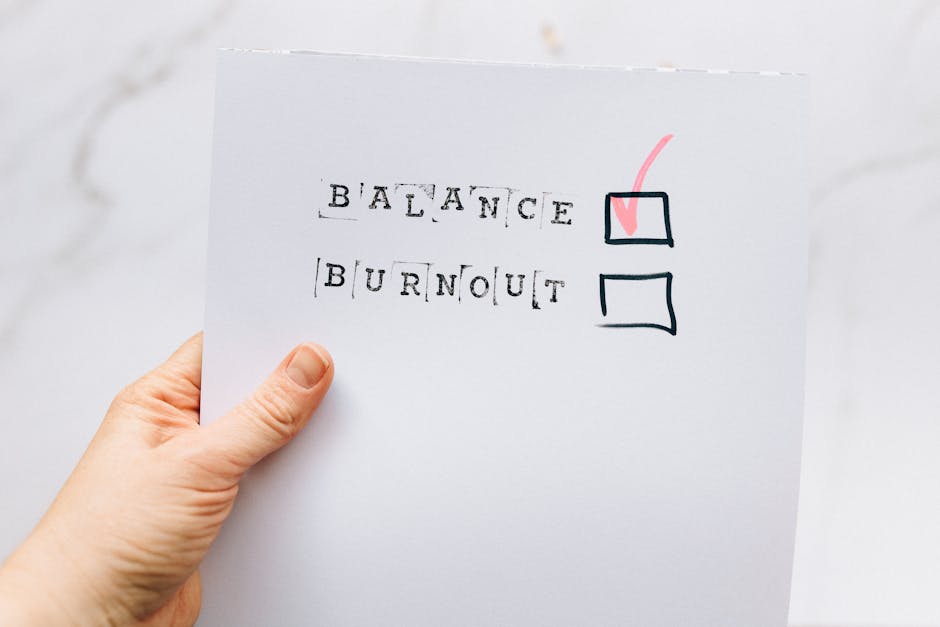
For those of us navigating the UK healthcare landscape, the shift from "beauty-focused wellness" to "functional health" is a welcome change. True holistic health is about understanding how your sleep hygiene, stress levels, and physiological symptoms are interconnected. It is practical, it is often boring, and it is entirely measurable.
This is not for everyone; some people prefer a strictly conventional approach to acute issues, and there is absolutely nothing wrong with that.
The Shift: From Aesthetics to Functional Health
Ten years ago, the "wellness" industry was obsessed with external results. If you felt tired, the solution was a face mask or a fad diet. Today, we are seeing a shift toward tangible, lifestyle-based habits. Patients are increasingly interested in the mechanics of their health: how blood sugar impacts their mood, how chronic stress influences gut health, and why "burnout" is a physiological reality, not just a feeling.

When we talk about interconnected health, we are talking about the body’s feedback loops. Consider the sleep-stress connection. When cortisol levels are consistently elevated, sleep quality drops. Poor sleep then impacts emotional regulation and cognitive function the next day, which creates more stress. Breaking this cycle requires looking at lifestyle habits as a whole rather than chasing a "quick fix" for just one symptom.
Comparing Wellness Myths vs. Practical Wellbeing
Focus Area "Buzzword" Wellness Practical Holistic Wellbeing Sleep Expensive silk pillowcases Tracking circadian rhythm and limiting blue light Stress Daily affirmation apps Managing nervous system regulation through breathwork Diet Restricted "superfood" diets Consistent macronutrient balance and gut microbiome health Monitoring Generic wellness score tracking Using digital patient portals to monitor clinical symptomsThe Role of Technology: Digital Patient Portals and Telehealth
One of the most significant advancements in UK healthcare is the integration of digital tools that allow patients to take a more active role in their own "holistic" management. Telehealth systems have democratised access to specialists, allowing patients to consult with experts without the need to travel long distances or wait months for a face-to-face appointment.
However, technology is a tool, not a replacement for clinical judgment. Digital patient portals, for instance, allow you to track your own data—symptoms, medication efficacy, and lifestyle shifts—which you can then share directly with your care team. This empowers the patient to present a more accurate "big picture" of their health during consultations.
By using these systems, you can move away from vague complaints like "I just don't feel right" to actionable data sets that allow clinicians to make informed adjustments to your care plan. It turns subjective feelings into objective, evidence-based management.
The Reality of Specialist Care and the 2018 Legal Framework
As an editor who has covered UK patient access for over a decade, I often see confusion regarding what is legal versus what people assume is legal—particularly regarding specialist-prescribed cannabis-based products for medicinal use (CBPMs). It is a topic that often polarises people into "miracle cure" or "moral panic" camps. Let’s strip that away and look at the actual legislation.
Since November 2018, it has been legal for specialist doctors on the GMC Specialist Register to prescribe cannabis-based products for medicinal use in the UK. This is not a "free-for-all" or a recreational gateway; it is a https://www.newsgram.com/health/2026/05/27/self-care-2026-uk-medical-cannabis-wellness-trend highly regulated, specialist-led pathway.
How the Specialist Prescribing Pathway Actually Works
Initial Consultation: You must be referred by your GP or have a verified history of your condition. A specialist doctor reviews your medical history to see if you have already trialled conventional treatments (such as standard NHS medications) without success. Eligibility Assessment: The specialist assesses whether your condition falls within the scope of evidence-based practice for medicinal cannabis. Prescription: If suitable, the specialist issues a prescription. This is sent to a specialised pharmacy. Ongoing Monitoring: This is the most crucial part of "holistic" care. You do not just get a prescription and walk away. You must return for follow-up appointments to monitor for adverse effects, ensure the dosage remains effective, and track your symptoms via your patient portal.It is vital to clarify: legally, you cannot simply go to a GP and ask for these products. It is a secondary or tertiary care pathway. If a clinic promises you a prescription without a robust medical history review or ongoing monitoring, treat that as a massive red flag. Always verify if the clinic is registered with the Care Quality Commission (CQC).
Why Monitoring Matters
Whether you are dealing with chronic pain, anxiety, or insomnia, the "holistic" approach requires consistent data. If you change your lifestyle habits—like improving your sleep hygiene or starting a new exercise regimen—it will change how your body responds to medication. By using digital patient portals to log these changes, you provide your specialist with the data needed to titrate your dosage safely.
Interconnected health isn't about doing everything at once. It’s about acknowledging that your physical health and your emotional wellbeing are two sides of the same coin. When one is disrupted, the other inevitably falters.
Final Thoughts: A Reality Check
True holistic wellbeing is not about buying products or chasing trends. It is about understanding your own physiological baseline and working with healthcare professionals to maintain that balance. It is a slow, methodical process that requires patience.
If you feel overwhelmed by the current "wellness" noise, ignore it. Focus on the basics: the evidence-based link between your sleep, your stress levels, and your daily habits. Use the digital tools available to you to track your progress, and ensure that any specialized medical pathway you choose is backed by transparent, clinical oversight.
Health is not a buzzword. It is a continuous, often unglamorous process of maintenance. Treat it that way, and you’ll find that you have much more control than the marketing industry wants you to believe.