If you have spent any time scrolling through forums or trying to navigate the UK healthcare system regarding cannabis, you’ve likely encountered a confusing soup of terms: "medical marijuana," "weed cards," "prescriptions," and "CBMPs." As someone who has spent nine years on the administrative side—moving papers, chasing down NHS records, and coordinating between specialists and private clinics—I am here to clear the fog. In the UK, the terminology matters because it dictates whether you are compliant with the law or simply holding something that won’t stand up to police scrutiny.
First, let’s define the term officially. In the UK, we use the legal wording: Cannabis-based medicinal products (CBMPs). This is not a synonym for "recreational weed." It is a strictly controlled pharmaceutical classification.
The Regulatory Framework: Since 2018
To understand what a CBMP is, you have to look at the legislative change that occurred in November 2018. Before this date, cannabis was essentially off-limits for almost all medical purposes. Following the change, the government rescheduled cannabis for medicinal use under the Misuse of Drugs Regulations 2001, allowing it to be prescribed by specialist doctors on the General Medical Council’s (GMC) Specialist Register.
This is where the first common misconception arises: There is no such thing as a "medical weed card" in the UK. If you see a website advertising a "legalization card" for a fee, stop. Those cards hold zero legal weight. They are not issued by the Home Office, the NHS, or any regulatory body. When you are prescribed a CBMP, your "legal status" is held in a digital database (the Controlled Drugs register) and your physical prescription, not a plastic ID card.
The Specialist-Led Prescribing Model
Many patients come to me frustrated because their GP refused to prescribe cannabis. This leads to the "just ask your GP" trap, which is unhelpful and inaccurate. Under current UK regulations, a GP cannot initiate a prescription for CBMPs.
The system operates on a specialist-led prescribing model. This means that for a patient to access these products, they must be under the care of a consultant who is listed on the GMC Specialist Register in a field relevant to the condition being treated (e.g., a Pain Specialist for chronic pain, or a Psychiatrist for anxiety/PTSD).
Here is the sequence of events you should expect:
Eligibility Screening: You identify a private clinic that specializes in your condition. They perform an initial check to see if you have already exhausted first-line treatments (e.g., traditional painkillers, SSRIs, physical therapy). Medical Record Transfer: You must provide your full Summary Care Record (SCR). Consultation: You have a formal, recorded consultation with a specialist doctor. Multi-Disciplinary Team (MDT) Review: The specialist’s recommendation is reviewed by a secondary doctor or an MDT to ensure the prescribing plan is safe and follows current guidance. Dispensing: Once approved, the prescription is sent to a specialized pharmacy, which then delivers the product to your door via a tracked, secure courier.The Documentation Hurdle: What Clinics Actually Ask For
This is where most people get stuck. Patients often assume that medical cannabis delivery UK a private clinic will just take their word for it, or that a quick phone call to their GP will suffice. It doesn't work that way. Private clinics are heavily audited by the Care Quality Commission (CQC) and the Home Office. They need proof.

When I assist patients with their paperwork, I tell them to prepare for the following:
- The Summary Care Record (SCR): This must be the official export from your GP surgery. It must show your diagnosis and, crucially, a history of at least two failed, licensed pharmaceutical treatments. Evidence of Consultation History: If you’ve seen a specialist previously, those letters are gold. They save time and prove to the clinic that you aren’t just "doctor shopping." Patient Medication History: A clear printout of everything you’ve been prescribed in the last 2-5 years. If you haven’t tried the "standard" treatments, the specialist will likely reject your application.
This is where people get stuck: Requesting their records from the NHS. The GP surgery has 30 days to respond to a Subject Access Request (SAR). If you are waiting on this, your private appointment will be delayed. Exactly.. Don't wait until the day of your booking to ask for your file; get it sorted a month in advance.
Private Clinics: The Common Access Route
While the NHS *can* theoretically prescribe CBMPs, in practice, it is almost non-existent for the vast majority of patients. The NHS bureaucracy is risk-averse, and the internal guidance for neurologists and pediatricians is incredibly narrow. Consequently, private clinics remain the primary access route for the vast majority of UK patients.
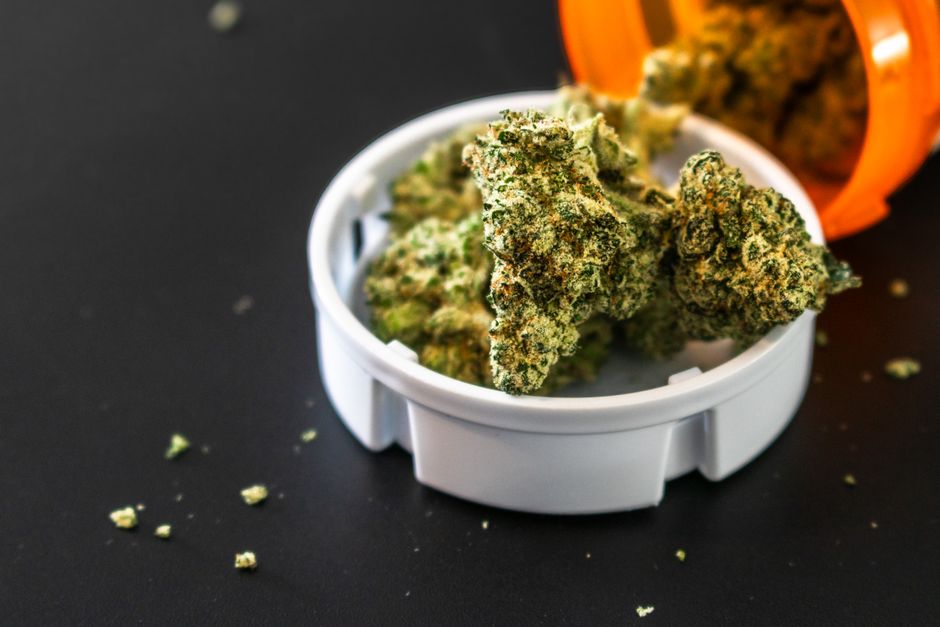
These clinics operate with high standards, but they are commercial entities. You are paying for the specialist's time, the administrative work of processing your records, and the expert-led review process. It is not an "over-the-counter" purchase; you are entering into a regulated patient-doctor relationship.
Terminology Comparison Table
Term Definition Legal Weight CBMP Cannabis-based medicinal product. The only legal, prescribed form. Medical Weed Card A marketing gimmick. Zero legal protection; useless. Controlled Drug Prescription The physical/digital document provided by your specialist. Your legal proof of entitlement. Specials Unlicensed medicines formulated for individual patients. The category under which most CBMPs fall.Why Foreign Prescriptions Do Not Transfer
I hear this constantly: "I have a prescription from Canada/Germany/USA, can I just move it over to a UK pharmacy?" No.
Foreign prescriptions are not recognized for the dispensing of controlled drugs in the UK. Even if you have a valid medical license abroad, you are starting from zero. You must undergo a consultation with a UK-registered specialist. They have to sign off on the clinical pathway themselves. Assuming an automatic transfer is a quick way to be left without medication once your supply runs out.
Eligibility: It’s About Clinical Context
You cannot simply "request" medical cannabis for a vague complaint. You must have a clinical context. The specialist is looking for evidence that you have a chronic condition that has not responded to traditional medicine.
For example, if you are seeking a CBMP for chronic pain, they aren't just looking for a diagnosis of "pain." They are looking for:
Evidence of the pain condition. Documented evidence that you have tried conventional treatments (like Gabapentin, Pregabalin, or Opioids) and either found them ineffective or experienced side effects that made them intolerable.Ever notice how if you haven't tried those, the clinic will often advise you to try the nhs-standard treatments first. This is for your own safety and to ensure that the specialist can justify your prescription if they are audited. They aren't gatekeeping to be difficult; they are protecting their license to practice medicine.
Final Thoughts for Patients
Accessing CBMPs in the UK is a process that requires patience, organization, and a clear understanding of the law. You are moving through a medical system, not a retail one. My best advice to anyone starting Browse this site this journey is to be proactive with your medical records. If you can provide a tidy, accurate history of your clinical attempts to manage your condition, the process is usually quite straightforward.
Avoid the "card" nonsense, steer clear of anyone promising an "automatic" solution, and ensure you are speaking with a registered specialist. If you stick to the legal, specialist-led route, you are fully protected under UK law. If you deviate, you aren't a patient; you’re just someone playing a dangerous game with the police.
Disclaimer: I am a health writer and former clinic coordinator. This article is for informational purposes only and does not constitute medical advice. Always consult with a GMC-registered specialist regarding your personal healthcare needs.