If you have spent any time scrolling through social sharing platforms—be it the curated highlight reels on Facebook, the punchy, rapid-fire threads on X, the professional hustle culture of LinkedIn, or the hyper-specific queries on Reddit—you have likely been sold a lie. The lie is that wellness is a project that requires a pristine schedule, six different supplements, and a bank account that can handle "premium" price tags.
After twelve years of editing health content, I have learned one absolute truth: the most expensive wellness trends are usually the first ones to fall apart the second life gets messy. We fall into the trap of believing that if we can’t do the "perfect" routine, we shouldn't do anything at all. This is the biggest mistake of all—especially when it comes to the price barrier. People assume that wellness needs to cost money to "count." It doesn't. If your health plan requires buying a box of specialized powders or a high-end gadget to function, it isn't a lifestyle; it’s a subscription.
When I look at a wellness suggestion, I always ask: "Can you do this on a bad Tuesday?" You know the kind I mean. The one where the car won’t start, the inbox is overflowing, your energy is bottomed out, and the last thing you want to do is chop kale or head to a gym. If the answer is "no," it’s not a habit—it’s a luxury. Here is how to strip your life down to the essentials when everything else is falling apart.
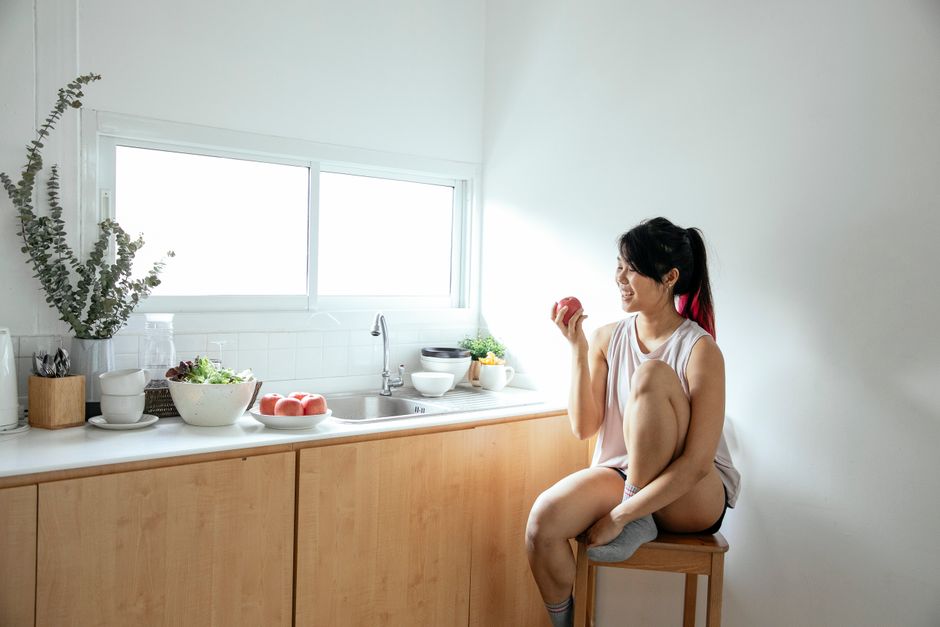
The Philosophy of "Minimum Effective Habits"
When life gets chaotic, your goal shouldn't be optimization; it should be maintenance. We are looking for the "minimum effective habits"—the smallest, simplest actions that keep the lights on without draining your remaining willpower. This simple wellness plan isn't about reaching peak performance; it’s about avoiding the total crash.
Think of this as your "emergency kit." Much like the trusted information found on the NHS website, we want advice that is grounded in public health consensus, not the latest TikTok fad. Whether you are navigating the nuances of midlife transitions—often discussed in communities like Fifties Web—or just dealing with a particularly rough month, these steps are designed to be friction-free.
Sustainable Nutrition: Fueling, Not Restricting
A common trap during a busy week is viewing food as a problem to be solved. We start skipping meals because we are "too busy to eat," or we rely entirely on convenience foods that leave us feeling sluggish. During a busy week routine, the goal is to prioritize fuel over perfection.
Stop trying to overhaul your diet when you’re overwhelmed. Instead, focus on the "Add-In" method. If you’re grabbing a frozen sustainable health habits meal or a sandwich, simply add one piece of fruit or a handful of baby carrots. Don’t worry about the organic label or the price—worry about the fiber. According to NHS nutrition guidance, keeping your energy stable is more about regularity than it is about buying expensive "superfoods."
Three Tiny Changes That Actually Stick:
- The "One-Plate" Rule: Even if you are eating leftovers or takeout, put it on a real plate. It signals to your brain that you are taking a break, which aids digestion. Hydration by the Clock: Forget the 3-liter goal. Just drink one glass of water before your first coffee or tea. That’s it. The Pantry-Staple Shortcut: Keep a tin of chickpeas or lentils in the cupboard. Adding them to anything—soup, salad, or pasta—instantly adds protein without requiring prep time.
Low-Impact Movement: The "Movement Snack"
One of the most persistent myths I’ve encountered in my career is that if you aren't doing a 60-minute HIIT class or a grueling gym session, you aren't "getting fit." Let me be clear: on a bad Tuesday, a 60-minute gym session is not happening, and that is perfectly okay.
Low-impact movement is the gold standard for midlife wellness. It isn't about burning calories; it’s about blood flow and cortisol regulation. When you are feeling physically taxed, consider restorative approaches. Brands like Releaf offer resources and products aimed at supporting natural recovery and wellbeing, which can be a great help when you're feeling run follow this link down, but the movement itself should be free and accessible.
If you can’t walk for 30 minutes, walk for 10. If you can’t walk for 10, do five minutes of gentle stretching while your coffee brews. The objective is to break the sedentary pattern of your "chaotic week," not to win a race.

Sleep Hygiene: Protecting Your Baseline
When the world feels chaotic, sleep is usually the first thing we sacrifice. We stay up late to "reclaim" our time, leading to a cycle of exhaustion that makes the next day even harder. Sleep hygiene isn't about buying a silk pillowcase or a $200 candle. It is about environmental control.
As suggested by general NHS sleep hygiene guidance, keeping a consistent rhythm is more effective than any gadget. If you are struggling with sleep, especially during midlife years where changes in hormones can impact rest—a topic well-covered by resources like Fifties Web—focus on these two non-negotiables:
The "Screens Off" Buffer: 15 minutes before bed, move your phone to another room. It’s a tiny barrier that yields massive results. Lower the Temperature: A cooler room is the most effective "price-free" sleep aid you will ever use.Quick Reference: Your Survival Table
When you are in the thick of a high-stress week, you don't need a manifesto. Use this table as a quick-glance guide to keep your simple wellness plan on track.
Category The "Bad Tuesday" Version The "Ideal" Version (Ignore for now) Nutrition Eat something with fiber, drink a glass of water. Meal prepping organic, macro-tracked lunches. Movement 5-10 minutes of gentle stretching. A full hour of weight training or cardio. Sleep Screens out of the bedroom, cooler room temp. A 60-minute wind-down ritual with meditation. Budget Zero extra spending. Expensive supplements or premium apps.Why "Prices" Are the Wrong Metric
I want to return to the mistake of focusing on price. You might be tempted to think that because you are having a chaotic week, you should "invest" in a meal delivery service or a high-end wellness app to get back on track. Please, don't. When we are stressed, our executive function is already fried. Managing a new subscription, waiting for a delivery, or trying to learn a new interface is just adding more cognitive load to your plate.
True wellness is subtractive, not additive. It’s about taking things off your to-do list, not adding them on. The minimum effective habits are essentially the act of letting go of the "shoulds" and returning to the biological basics.
The Takeaway: Permission to Pivot
If you take nothing else away from this, let it be this: wellness is not a project you finish. It is a state of being that you occupy. Some days that state looks like a marathon; on a bad Tuesday, it looks like a glass of water, five minutes of deep breathing, and getting into bed ten minutes earlier.
Don't look for miracles. Don't look for the "before-and-after" photo. Look for the small, quiet, free ways you can treat yourself with the same kindness you would offer a friend. You don’t need to buy a wellness lifestyle. You just need to show up for yourself, even when you're having a bad Tuesday.
For more reliable, science-backed guidance on staying healthy without the noise, keep checking in with trusted public health sources like the NHS website. Everything else is just chatter.