After nine years working as an NHS admin coordinator, I’ve seen enough appointment systems to last a lifetime. I’ve spent countless hours chasing down lost paper records, explaining why a referral didn’t reach the specialist, and watching patients get frustrated by portals that seemed designed in 2005. Pretty simple.. Now, as a health tech reviewer, I look at the new wave of private digital health providers with that same critical, slightly cynical "admin eye."

The conversation around medical cannabis UK is often clouded by hype. You’ll see plenty of marketing slogans promising "better outcomes" or "revolutionary access," but very few explain the actual plumbing—the operational hurdles of getting a legal, private prescription delivered to your door. So, let’s peel back the curtain on how telehealth is actually shaping this space.
The Legal Reality: Is it Prescription-Only?
I remember a project where learned this lesson the hard way.. First, let’s clear the air. Yes, medical cannabis is legal in the UK, but it is rarely prescribed via the NHS. For the vast majority of patients, accessing it means navigating the private online specialist consultation sector. The prescription cannabis guidance from the General Medical Council (GMC) is strict: it must be prescribed by a specialist doctor listed on the GMC’s Specialist Register. You cannot just walk into a GP surgery and ask for a script.
This is where the private telehealth model steps in. Because these specialist clinics are often concentrated in major hubs like London or Manchester, telehealth isn't just a "nice-to-have" feature; it is the primary infrastructure that makes the service viable for someone living in, say, rural Cumbria.
How Telehealth Bridges the Geographic Gap
You know what's funny? i’ve always maintained that the biggest barrier to healthcare isn't just the cost—it's the friction of logistics. In my NHS days, a patient might travel three https://smoothdecorator.com/the-telehealth-paradox-why-starting-care-is-easy-but-staying-consistent-is-hard/ hours for a ten-minute consultation. Telehealth effectively deletes that travel time.
When reviewing these services, I look at how they handle the intake. It’s not just about the telehealth consultation itself; it’s about the pre-call triage. If a provider claims they are "fast," I want to know if that’s because they’ve streamlined their patient history intake or because they are cutting corners on eligibility assessments. Reliable platforms should allow you to upload your summary care record from your GP directly. If you have to spend an hour scanning paper files and emailing them to a generic inbox, that’s a fail in my book.
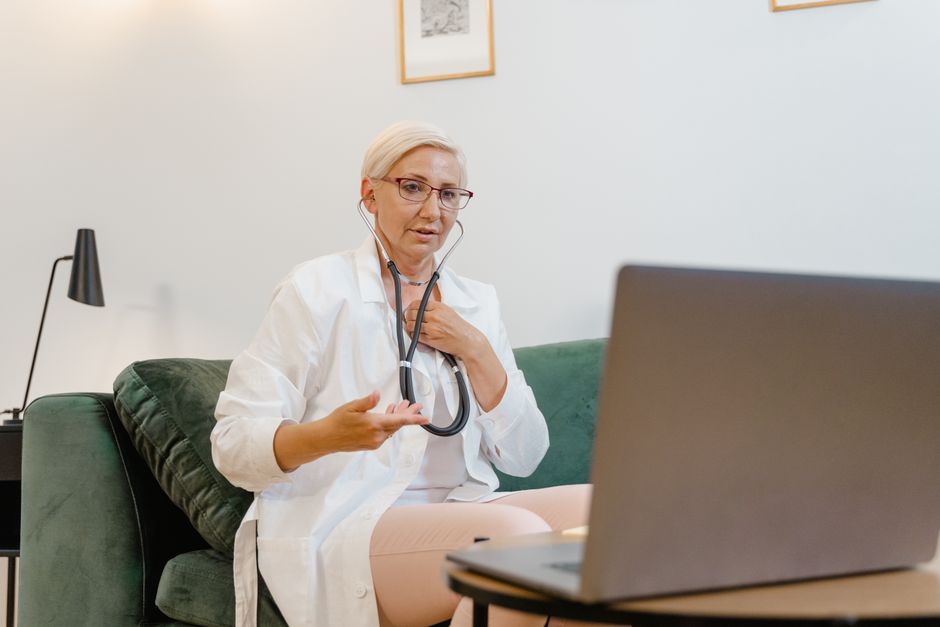
The Benefits vs. The Reality
- Faster Scheduling: Telehealth platforms often allow for weekend or evening slots, which is a massive upgrade over the rigid "9-to-5" clinic availability. Geography: No more "patient choice" headaches involving train tickets and missed work hours. The "Admin" Caveat: Fast access should not mean "rubber-stamping" prescriptions. Any clinic worth its salt will have a robust triage process to ensure safety.
The "Mobile-First" Litmus Test
Every health tech company claims they are "mobile-first," but I double-check this every single time. If I’m in pain or managing a complex condition, I don’t want to be tethered to a desktop computer to log into a patient portal. I want to be able to join my video consultation from my phone, while sitting in a quiet corner.
I test portals for two specific things:
Responsive UI: Can I see my upcoming appointments, download my digital prescriptions, and view my treatment plan without zooming in or scrolling sideways? Notification Reliability: Do I get an SMS reminder an hour before? A portal is useless if I miss the appointment because the reminder went to a "junk" email folder I never check.What Happens After the Call Ends?
This is my favorite question. In the NHS, the "post-appointment" phase is often where things fall apart—files get lost in the mail, prescriptions don't reach the pharmacy, and follow-ups are forgotten. When you choose a private provider for medical cannabis, look closely at their workflow post-telehealth.
A high-quality provider will have a seamless link between the doctor’s desk and the pharmacy. If you are having to manually chase your prescription from the clinic to the pharmacy, the digital integration has failed. You should be looking for a system that provides:
- Automated tracking: Knowing exactly when your script is sent, received, and dispatched. Ongoing Communication: Who do you email if the medication isn't working or if you have a side effect? Is there a secure messaging portal, or are you left sending emails into the void? Review Cadence: Medical cannabis requires titration (adjusting the dose). A clinic that doesn't build these follow-ups into their digital journey is not providing true continuity of care.
Comparison: The Traditional vs. The Modern Telehealth Pathway
Feature Traditional Specialist Care Digital-First Telehealth Appointment Booking Phone call, letters, long waits. Online portal, instant confirmation. Geography Limited by travel distance. Nationwide access. Prescription Flow Paper script handed or posted. Digital transmission to pharmacy. Continuity Often disjointed. Integrated into patient portal.Final Thoughts: Avoiding the Marketing Fluff
When you see clinics promising "revolutionary access," take a breath. Accessing medical cannabis in the UK is a medical process, not a retail one. It requires careful clinical oversight, periodic reviews, and, yes, a fair bit of admin on your part to ensure your health history is accurate.
The "revolutionary" part isn't the cannabis itself—it’s the fact that you can now access a specialist, have a telehealth consultation, and receive a secure, tracked digital prescription without ever having to step foot in a waiting room. That is a genuine improvement in the patient experience. Just make sure that the provider you choose treats the "boring" stuff—reminders, secure messaging, and pharmacy integration—as seriously as they treat their marketing claims.
If you find yourself stuck in a portal that feels like a maze, or if you haven't heard from your specialist since the initial call, don't be afraid to ask: "What happens next?" If they can’t answer that clearly, you might want to look elsewhere.