As a clinician who has spent over a decade in hospital-based haematology and transplant medicine, I am often asked by parents and patients if umbilical cord blood is the "magic bullet" for treating complex genetic conditions like Sickle Cell Disease (SCD). The short answer is: it is a powerful therapeutic tool, but it is not a "cure-all" in the marketing sense. It is a biological resource that changes the mechanics of how we perform an allogeneic stem cell transplant.
To understand the clinical role of cord blood, we must first clear away the common confusion surrounding what is inside the umbilical cord. In clinical practice, we distinguish between two entirely different types of cells: cord blood hematopoietic stem cells (HSCs) and cord tissue mesenchymal stem cells (MSCs).
Distinguishing the Biological Resources: HSCs vs. MSCs
When we talk about transplantation for Sickle Cell Disease, we are talking exclusively about cord blood HSCs. These are the "blood-forming" cells capable of repopulating the patient's bone marrow to produce healthy red blood cells that do not carry the sickle hemoglobin mutation.
Conversely, umbilical cord tissue contains mesenchymal stem cells (MSCs). These are structural and immunomodulatory cells. While MSCs are currently being studied for their ability to suppress inflammation and support tissue repair in clinical trials, they do not "form blood." They cannot cure Sickle Cell Disease. If you see promotional material suggesting cord tissue cells can treat blood disorders, please be wary—that is not supported by current haematological practice.
Table 1: Clinical Differences in Umbilical Cord Components
Feature Cord Blood (HSCs) Cord Tissue (MSCs) Primary Function Hematopoiesis (Blood cell production) Immunomodulation and stromal support Clinical Indication Allogeneic transplantation for SCD, leukemias, and immune deficiencies Ongoing research for inflammatory/autoimmune conditions (not for SCD) Mechanism of Cure Replacing diseased marrow with healthy marrow Regulatory/anti-inflammatory pathwaysThe Role of Cord Blood in Sickle Cell Transplant
Sickle Cell Disease is a condition of the blood-forming system. Therefore, the goal of a transplant is to remove the patient's own bone marrow—which is producing the defective hemoglobin S—and replace it with donor marrow that produces normal hemoglobin (Hemoglobin A). This is the definition of an allogeneic stem cell transplant.
In the past, these transplants relied almost exclusively on bone marrow or peripheral blood stem cells from a matched sibling donor. However, many patients with SCD do not have a fully matched sibling. This is where cord blood HSCs offer a distinct clinical advantage.
The Matching Advantage
Because cord blood HSCs are immunologically "naive," they are more tolerant of HLA (Human Leukocyte Antigen) mismatches than adult donor cells. In practical terms, this means we can find a suitable donor for a patient who might otherwise have no matched adult donor in the global registry. This expanded donor pool has been life-changing for many families.
What Does This Mean for the Patient?
If you are a parent or a patient considering a sickle cell transplant using cord blood, it is vital to understand what the procedure actually changes in the clinical pathway:

Established Indications Beyond Sickle Cell Disease
It is important to maintain perspective on what these cells are currently used for in hematology units worldwide. Cord blood HSCs are not "experimental" for the right patient; they are an established medical standard for over 80 different disorders. These disorders generally fall into three categories:
- Malignancies: Such as acute leukemias, where we need to reset the immune system following chemotherapy. Bone Marrow Failure Syndromes: Where the patient’s own marrow has stopped producing healthy blood cells. Primary Immunodeficiencies: Where the patient’s immune system is genetically impaired.
Sickle Cell Disease sits firmly within the "non-malignant" category of indications for allogeneic stem cell transplant. While the procedure is curative, it is an intense medical undertaking involving high-dose chemotherapy or conditioning regimens. It is never a decision taken lightly, and the "cure" comes at the cost of significant procedural risk.
Clinical Reality: Managing Expectations
I frequently see marketing language that implies that banking one’s own cord blood is a form of "biological insurance" against developing diseases like SCD. From a hematologist's perspective, this Additional reading is misleading.
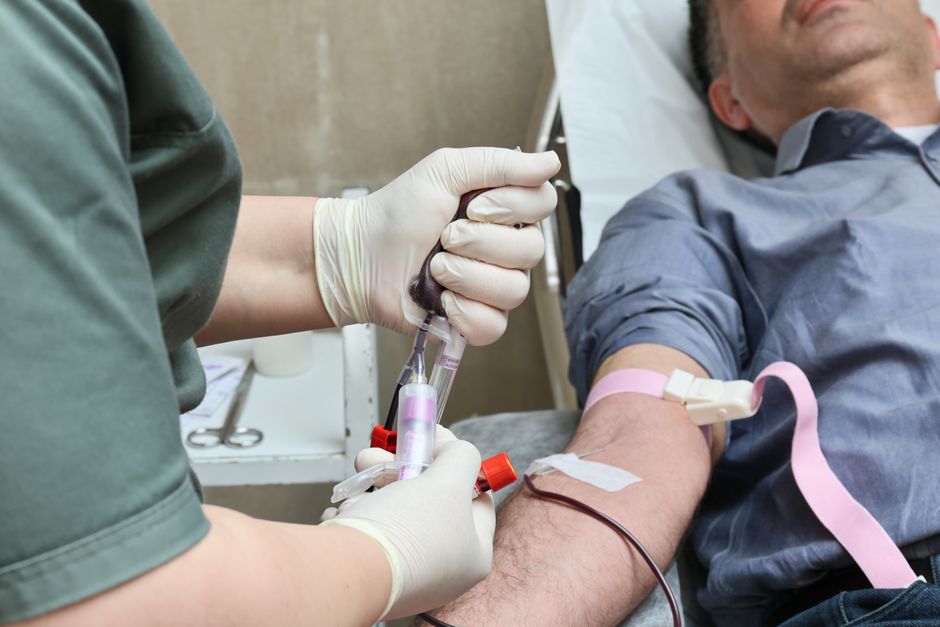
In the case of hereditary conditions like Sickle Cell Disease, the patient’s own cord blood (autologous) contains the same genetic mutation as the rest of their body. Consequently, you cannot use your own cord blood to cure your own Sickle Cell Disease. The transplantation must be allogeneic, meaning it must come from a healthy Browse around this site donor. If you bank cord blood, you are essentially creating a resource for someone else in the family or the public pool, but it is not a personal "reserve" for genetic disorders already present in your DNA.
Final Thoughts for Patients and Families
If you are exploring transplantation options for Sickle Cell Disease, your first step should always be a consultation with a transplant centre of excellence. Ask them about their specific experience with cord blood HSCs compared to other donor sources like haploidentical (half-matched) related donors, which are also becoming a standard of care.
Science is moving quickly, and the integration of gene therapy with hematopoietic stem cells is an incredibly exciting field. However, in the current landscape, the transplant remains a major medical procedure. It is not an injection or a simple therapy; it is a replacement of the body's entire blood-forming system. Focus on finding a clinical team that uses data, understands the distinction between HSCs and MSCs, and manages expectations with the honesty that such complex medicine requires.
Disclaimer: This article is for educational purposes and reflects clinical standard-of-care practices as of my experience in haematology and transplantation. It does not constitute individual medical advice. Always consult your haematologist regarding your specific treatment path.