If you scroll through social media, you’d be forgiven for thinking that becoming a high-performing athlete requires a mortgage-sized investment in compression boots, infrared saunas, and cryotherapy chambers. You see the influencers hooked up to enough machinery to power a small hospital, all in the name of "recovery."
I’ve spent the last eight years interviewing sports scientists, physical therapists, and performance coaches, and here is the truth they won’t put in a sponsored post: The most powerful recovery tools are already sitting in your house, and they’re free.
Recovery isn’t a passive activity; it is a performance multiplier. If you’re training hard but recovering poorly, you aren't an athlete—you're just someone who is chronically accumulating fatigue. But when we talk about high-level recovery, we have to ground it in reality. What does this look like on a Tuesday night? Because that’s where the actual work happens. It doesn’t happen in a $5,000 pod; it happens in your kitchen, your bedroom, and your living room floor.
The Mindset Shift: Recovery is Training
Stop viewing recovery as the "time off" between sessions. If you are serious about your progress, recovery is a pillar of your training plan, right alongside your lifting or cardiovascular work. Without it, you are simply breaking down muscle tissue without providing the biological environment necessary for repair.
Forget the buzzwords like "detox" or "metabolic flushing." Your liver and kidneys handle your detoxing just fine. Your job is to regulate your nervous system, ensure your tissues are hydrated and mobile, and protect your sleep window. That’s it.
The Foundation: Sleep Routines That Actually Stick
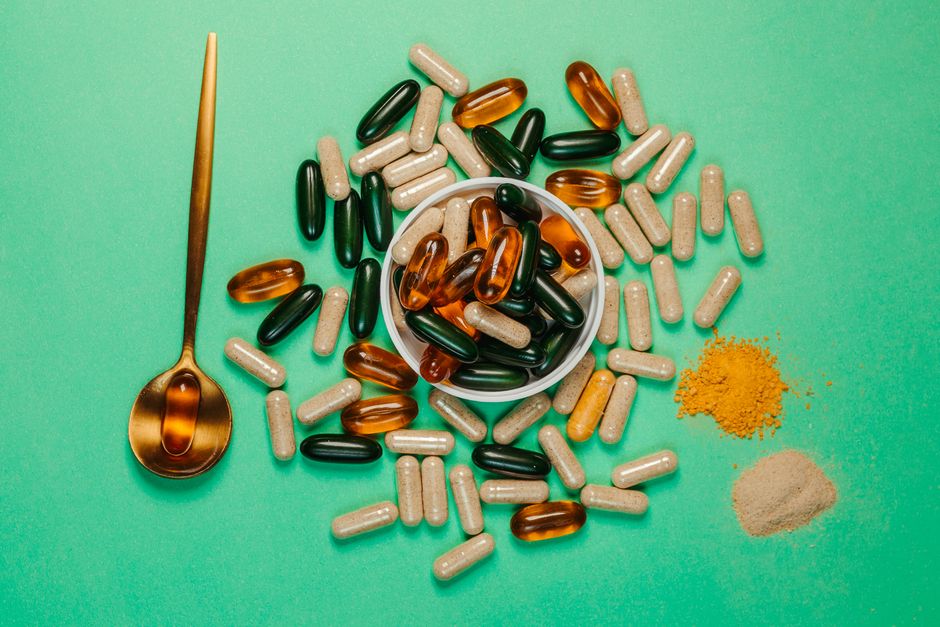
Ever notice how i get annoyed when i see fitness "experts" obsessing over supplement protocols while ignoring the fact that their clients are sleeping five hours a night. You can swallow all the magnesium in the world, but if your sleep hygiene is garbage, you aren't recovering. Let me tell you about a situation I encountered learned this lesson the hard way.. Period.
Sleep is when your body releases human growth hormone and repairs the micro-tears in your muscles. So yeah,. It is the only time your central nervous system (CNS) gets a hard reset.
A Practical Sleep Checklist for the Busy Athlete
- The 3-2-1 Rule: Stop eating 3 hours before bed, stop working 2 hours before bed, and turn off all screens 1 hour before bed. Drop the Temperature: Your body needs to cool down to enter deep sleep. Keep your bedroom between 65 and 68 degrees Fahrenheit. The "Brain Dump": If you’re like me, your Tuesday night is usually when your brain decides to write a to-do list for next month. Keep a notebook by the bed. Write the tasks down. Get them out of your head so they aren't keeping you awake. Consistent Wake Times: Yes, even on weekends. Your circadian rhythm doesn't know it's Saturday.
Mobility Work: Stop Over-Complicating It
I don't want to hear about an hour-long yoga flow at 10:00 PM. Nobody does that consistently. Mobility should be a 10-minute habit that keeps your joints happy and your movement patterns clean.
The goal of mobility work isn't to become a contortionist; it's to ensure your hips, ankles, and thoracic spine are moving through their full range of motion so that your primary lifts stay efficient. If you’re stiff, your body will compensate, which leads to injury. That’s not a recovery issue—that’s a structural breakdown.
The "Living Room Floor" Mobility Checklist
Ankle Dorsiflexion: 2 minutes per side. Use a wall to push your knee over your toe. Hip Openers: 2 minutes in a deep squat or a pigeon pose. Thoracic Extension: Use a foam roller (the only "equipment" I’ll allow) or just the edge of your couch to open up the upper back. Diaphragmatic Breathing: Spend the final 3 minutes lying flat on your back, focusing on belly breathing. This switches you from the sympathetic (fight-or-flight) to the parasympathetic (rest-and-digest) nervous system.Managing Stress: The Hidden Fatigue
A lot of athletes treat stress as something separate from training. Science says otherwise.

Your body doesn't distinguish between a heavy barbell and a stressful interaction with your boss; it releases cortisol in response to both. High cortisol levels inhibit muscle repair and can wreck your sleep quality.
If you’re a busy adult, your recovery plan must include a strategy to down-regulate your nervous system. You don’t need a fancy meditation app. You need intentional stillness.
Three Ways to Lower Stress Without Equipment:
- The Physiological Sigh: Research shows this is one of the fastest ways to lower stress. Two sharp inhales through the nose, followed by a long, slow exhale through the mouth. Repeat 5-10 times. Nature Exposure: A 15-minute walk without a podcast or music. Just walking. It clears the mental clutter and lowers heart rate variability (HRV) stress. Non-Negotiable Boundaries: If your job is high-stress, create a "hard stop" time for checking emails. If you’re checking work at 9:00 PM, you’re training at 9:00 PM.
The "No-Gimmick" Weekly Recovery Framework
Let's put this into a table so you can visualize what your week should actually look like. This removes the guesswork and stops you from relying on expensive gear.
Time of Day Activity Why It Matters Morning Hydration (16oz water + pinch of salt) Kickstarts cellular function after overnight dehydration. Post-Workout 10-minute movement cool down Transition from CNS "go-mode" to steady state. Evening The 3-2-1 Sleep Routine Prioritizes sleep architecture and deep recovery phases. Mid-Week (Wed) Active recovery (light walk or stretch) Increases blood flow without adding high-impact stress. Daily Diaphragmatic breathing (5 mins) Actively manages systemic cortisol levels.Final Thoughts: Consistency Beats Gear Every Time
I know the temptation. We want a hack. We want a pill, a machine, or a magic protocol that lets us skip the hard work of living a balanced life. But you can buy all the recovery gadgets in the world, and if you aren't sleeping, aren't breathing properly, and aren't moving with intention, you’re just wasting money.
Recovery is the boring, unsexy, daily consistency of getting to bed on time and managing your stress. It isn't Instagrammable. You can't put a "recovery habit" on your shelf to show Click for info off to friends. But when your performance levels start creeping up, your nagging aches vanish, and your energy stays steady through the afternoon, you’ll realize that the "boring" stuff is actually where the magic is.
So, on this Tuesday night, put the phone down, do your 10 minutes of mobility, get some water, and get to bed. Your future self—the one hitting new personal bests—will thank you for it.