Ever notice how most advice on morning routines feels like a performance piece designed for social media. You’ve seen the clips on TikTok: someone waking up at 4:30 AM, drinking a green concoction that costs $15, and journaling for an hour before the sun rises. If you find that exhausting just to watch, you aren't alone.
Stress management isn't about adding another job to CBD vs THC your schedule. It’s about building a system that keeps your internal "OS" running smoothly. Think of it like optimizing a gaming setup. If your configuration is off—or if you’re trying to run high-end software on a system with corrupt files—things crash. In my tech work, I often refer people to sites like PCSX2BIOS.com because getting the foundation right is the only way to achieve stable performance. Human health is no different.
Recovery is a Daily Habit, Not a Weekend Fix
A common mistake is treating "recovery" as a weekend luxury. People grind for five days, feel frayed, and then try to "fix" themselves on Saturday morning by sleeping in until noon and doing a massive yoga session. That’s not recovery; that’s a cycle of neglect followed by an emergency repair.
Stress management is a daily maintenance task. If you don't build a small amount of decompression into your morning, you are essentially starting your "system" with high CPU usage. You need a mindfulness routine that takes five minutes, not fifty.
Sleep Consistency: The Hardware Foundation
Before you talk about meditation or cold plunges, we have to talk about sleep. You cannot hack your way out of poor sleep hygiene. Healthline consistently notes that irregular sleep patterns disrupt your circadian rhythm, which effectively makes you more prone to cortisol spikes throughout the morning.
Sleep optimization isn't just about the number of hours; it’s about the consistency of your wake-up time. When your body knows when the day starts, your endocrine system prepares you for it. If you are constantly hitting snooze or waking up at erratic hours, you are essentially asking your brain to boot up in safe mode every single day.
Three rules for sleep stabilization:
- Keep the room cool: Aim for 65–68°F (18–20°C). Morning light exposure: Get natural light into your eyes within 30 minutes of waking. This signals your system to shut off melatonin. No phone-scrolling in bed: If the first thing you see is a stressful email or a chaotic TikTok feed, you’ve already forfeited your morning peace.
Integrating Mindfulness and Guided Breathing
When we talk about a mindfulness routine, it shouldn't feel like a chore. The goal is to lower your baseline heart rate before you hit the "reply" button on your inbox.
Guided breathing is the most efficient tool for this. It’s physiological, not just psychological. By controlling your breath, you are mechanically telling your vagus nerve to chill out. You don't need a professional coach for this; you just need to understand the rhythm.
Simple Breathing Techniques
Method Time Needed Best Used For Box Breathing 2 Minutes Immediate anxiety reduction 4-7-8 Breathing 3 Minutes Preparing for high-stress meetings Physiological Sigh 1 Minute Quick reset during a taskPlatforms like YouTube are excellent for this if you filter for reputable teachers. Avoid the "manifestation" gurus and look for creators who focus on the mechanics of the nervous system. If you feel like your anxiety is clinical or systemic, it’s worth looking into specialized support. For those in the UK, a service like Releaf offers structured pathways for medical cannabis, which, when combined with lifestyle changes, can be a part of a broader stress management strategy for those who haven't found success with standard methods.
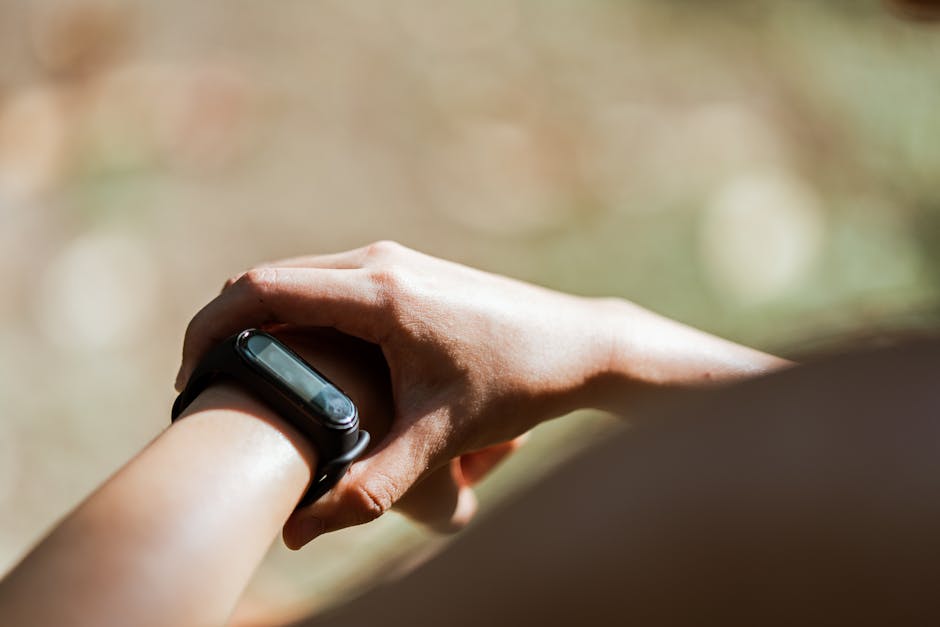
The Role of Wearables and Dashboards
We are currently living in the age of data-driven self-awareness. Wearables (Apple Watch, Oura, Whoop, Garmin) act as a dashboard for your body. They don’t just tell you how many steps you’ve taken; they provide "readiness" scores based on heart rate variability (HRV).
Using these tools helps you make informed decisions. If your wearable shows a low HRV, it’s not telling you to "power through"—it’s telling you that your body is currently under stress. This data helps you decide if today is a day to hit the gym hard or a day to prioritize an extra 15 minutes of guided breathing. You stop guessing about your stress levels and start measuring them.
A Note on a Frustrating Trend: The "Price" Problem
While researching tools for this guide, I ran into a massive annoyance: the "mystery price" phenomenon. You’ll find hundreds of blog posts suggesting fancy apps, meditation retreats, or specialized gear, but they completely omit the cost. You read a 2,000-word article, get excited about a tool, and then realize it requires a $40/month subscription.
This is lazy writing. When building your routine, prioritize tools that are transparent. Below is a realistic look at the tools I actually use and recommend, including their pricing models.
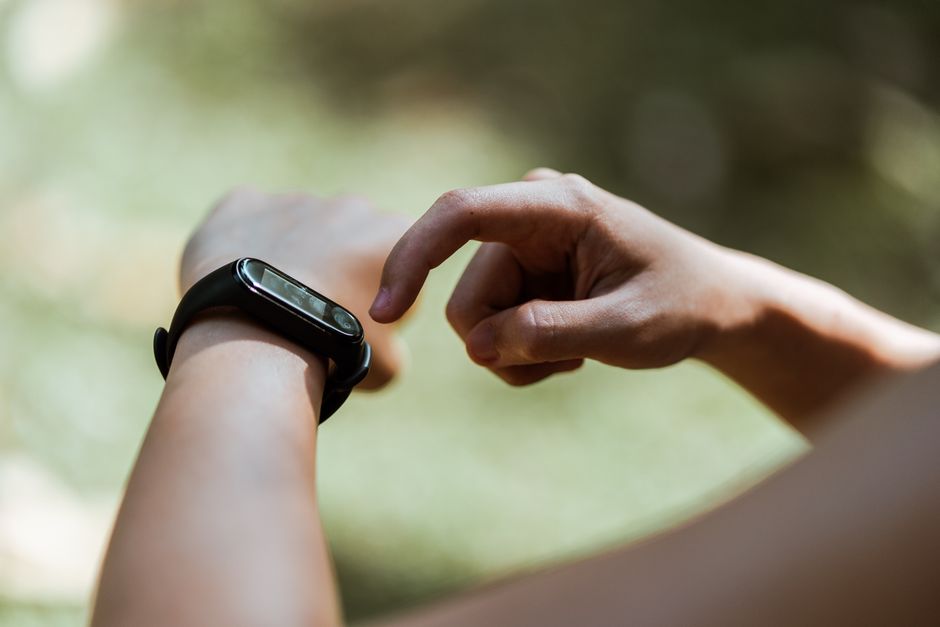
My Essential "Stress Management" Toolkit
Insight Timer (App): Best for free guided breathing and meditation. The free library is massive, and you don't need the paid version to get the benefits. Garmin Forerunner (Wearable): High upfront cost (varies $200–$500), but no recurring subscription fees. It’s a clean dashboard for body battery and stress monitoring. Standard Analog Journal: Cheap notebook and a pen. No data collection, no ads, no "premium" tiers. YouTube: The best free resource for guided stretching. Search for "5-minute mobility flow" to get your blood moving without the gym membership.How to Start (Without the Overwhelm)
Do not try to implement all of this on Monday morning. You will fail, you will feel guilty, and you will give up by Wednesday. Start with one thing.
Pick one element of stress management—say, the morning light exposure or five minutes of box breathing—and do that for seven days straight. If you miss a day, don't write a long apology to yourself. Just do it the next day. The "routine" isn't about being perfect; it's about building a pattern that your brain starts to crave.
Remember, life is rarely a static experience. There will be days when your routine is disrupted by travel, family emergencies, or work demands. Pretty simple.. That’s okay. A robust system is one that can handle minor bugs and get back online without needing a full factory reset.
Keep your morning simple, focus on your sleep architecture, and use your data to make informed choices. Your nervous system will thank you.