As we move through 2026, the landscape of UK healthcare has shifted significantly. Gone are the days when a paper referral letter was the only gatekeeper to specialist care. However, when it comes to specialised fields like medical cannabis, patients often find themselves stuck in a cycle of confusion: do I actually need to sit in a GP’s surgery, or can this all be handled via a remote consultation pathway?
Having spent nearly a decade in UK healthtech, I’ve seen the rollout of various patient portals and telehealth platforms. While the promise of "frictionless care" is often overused in startup boardrooms, the reality is that the digital patient journey is becoming more refined. Yet, for patients exploring medical cannabis, the intersection between NHS primary care and private specialist services remains a place where navigation is key.
The Shift in UK Healthcare Digitisation
The digitisation of the NHS and private health services has meant that your medical history is no longer a physical file gathering dust in a cabinet. Most GP surgeries now use electronic health record (EHR) systems like EMIS or SystmOne. This is crucial for your cannabis specialist consultation. In 2026, the question is rarely, "Do I need to see a GP in person?" but rather, "How do I securely share my Summary Care Record (SCR) with my specialist?"
In most instances, you do not need an in-person GP appointment to obtain a referral for a private medical cannabis consultation. Instead, the process relies on the transfer of your medical records. Specialists require a detailed clinical history to assess your eligibility against NICE guidelines, specifically NICE NG144, which outlines the use of cannabis-based medicinal products (CBMPs).
Understanding the Clinical Pathway: Why Evidence Matters
Before you even book a consultation, it is essential to understand that medical cannabis in the UK is a treatment of last resort for specific conditions. If a provider promises a "miracle" cure or suggests it’s the first line of defence for minor ailments, you are likely looking at an unregulated or predatory service. Legitimate providers will always lean on clinical evidence.
Your specialist needs to see that you Learn here have already tried—and exhausted—conventional treatment options as outlined in your clinical notes. This is why the GP record is the "source of truth." You do not necessarily need a formal GP referral letter if you can provide your own medical records, but the records must demonstrate that you have trialled first-line treatments.
The Comparison: Traditional Referral vs. Modern Digital Pathway
To help navigate the friction points, I’ve put together a quick comparison of the old way versus the current digital standard.
Stage Traditional GP Referral Modern Digital Pathway Initiation In-person GP visit Online screening questionnaire Records Access GP prints summary Secure data export from NHS App/Portal Communication Postal letters Encrypted patient portal messaging Clinical Review Delayed by paperwork Real-time clinical auditNavigating the Eligibility Screening Questionnaire
One of the biggest friction points I see in healthtech rollouts is the "redundant form" problem. When you visit a clinic website, you will be met with a screening questionnaire. This is designed to filter out patients who clearly do not meet the criteria set out by the GMC (General Medical Council) and NICE.
Do not be tempted to skip these or treat them as a formality. These questionnaires serve as the initial triage. If you are honest about your medical history and previous treatments, you avoid wasting your time and money on a consultation that will ultimately result in a rejection. A high-quality provider will use these forms to check if you have an active diagnosis, which is a requirement for prescribing.
How to Access Your Records without an Appointment
If you are worried about needing an in-person visit to get your notes, breathe a sigh of relief. In 2026, most patients have access to their full medical records through the NHS App or their specific GP’s patient portal.
Login to the NHS App: Ensure your identity is verified (usually via a passport scan). Access Health Records: Navigate to the 'GP health record' section. Download/Export: You can download a PDF summary of your clinical history, medication list, and consultation notes. Submit to Clinic: Securely upload this to your specialist’s patient portal.This process is the standard way to handle specialist referral questions without ever having to set foot in a waiting room.
Common Friction Points: What to Watch Out For
Even with digital transformation, there are still spots where the wheels fall off. Here is what I see time and again:
- Unclear Next Steps: If a provider asks you to "see your GP" without telling you exactly what documents you need, they are adding unnecessary friction. You need your Summary Care Record, not a generic referral letter. Repeated Data Entry: If you have to fill out the same information on a paper form that you already submitted online, that platform has failed its UX design. Look for providers that integrate your digital records seamlessly. Vague Promises: Be wary of any clinic that doesn't clearly explain the costs, the duration of the treatment plan, or the reliance on existing clinical guidelines. If the tech is "too slick," it might be hiding a lack of clinical rigour.
Frequently Asked Questions
Do I need a formal referral from my NHS GP?
Technically, no. Many private medical cannabis clinics allow for "self-referral" provided that you have the medical records to prove your diagnosis and your previous treatment history. However, some individual specialists may prefer a referral. Always check the clinic’s policy.
What if my GP refuses to release my records?
Under GDPR and the Data Protection Act 2018, you have a right to access your medical records. If your GP practice is slow, point them toward the NHS guidance on Subject Access Requests (SARs). You do not need to explain *why* you want them, though being transparent often helps build a better GP-patient relationship.
Is a remote consultation as thorough as an in-person one?
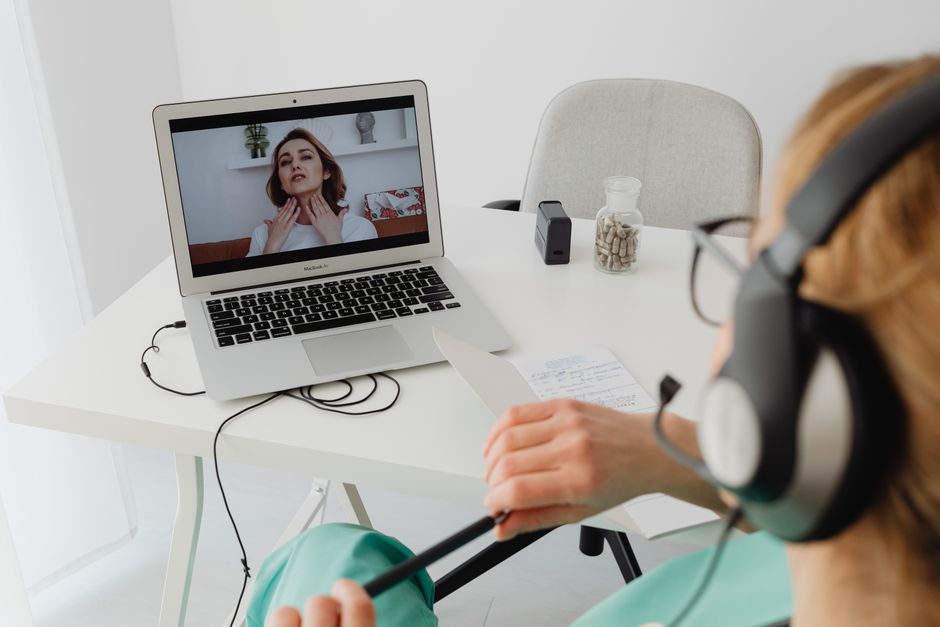
For pharmacy tracking for patient safety the purposes of a cannabis specialist review, a remote consultation is often superior. It allows the specialist to review your records in real-time on their screen alongside you, rather than flipping through a physical folder. It also keeps your data within a secure, encrypted digital environment.
Final Thoughts: Taking Control of Your Healthcare
The move toward a fully digital, remote consultation pathway is a net positive for patients. It reduces the stress of attending appointments and places more power in the hands of the patient to manage their own medical journey. By utilizing the tools available in the NHS App and choosing clinics that prioritize evidence-based care over marketing fluff, you can navigate the medical cannabis process efficiently and effectively.
Always remember: the "best" clinic isn't the one with the fastest website; it’s the one that follows clinical guidance to the letter, respects your data privacy, and is transparent about exactly what they need from your GP records to make an informed decision about your care.