Stress is a part of everyday life, but for many, the way they manage stress can lead to unhealthy habits, including turning to alcohol. If you or someone you love struggles with stress and uses alcohol as a coping mental health and addiction recovery tool, understanding how integrated treatment can support stress management without drinking might offer a pathway to healthier living.
What Are Co-Occurring Disorders?
Before diving into integrated treatment, it’s important to define co-occurring disorders. Also known as dual diagnosis, co-occurring disorders happen when someone experiences both a mental health condition and a substance use disorder at the same time. For example, someone might have anxiety (a mental health disorder) and also misuse alcohol (a substance use disorder).

This combination can complicate treatment because each condition influences the other. When addressed separately, treating only one disorder often falls short.
Why Treating One Condition Alone Can Fail
Treating only the mental health issue without addressing substance use — or vice versa — often leads to relapse, continued symptoms, or worsening conditions. Imagine a person with chronic stress and depression who drinks to relax. If they receive therapy for depression but no support to stop drinking, their alcohol use can undermine their mental health improvements.
Conversely, focusing solely on stopping alcohol use without addressing the root stressors or underlying anxiety leaves a person vulnerable to turning back to alcohol or other substances as a coping method.
Understanding the Self-Medication Cycle
The self-medication cycle refers to the pattern where individuals use substances like alcohol to temporarily relieve symptoms of mental health disorders or stress. While it may provide short-term relief, in the long run it worsens the underlying problems.
- Example: Jane feels overwhelmed by work stress and drinks wine every evening to relax. At first, this seems to help, but over time Jane needs more wine to feel the same relief. She begins to notice that her anxiety worsens the next day, leading to more drinking—a vicious cycle.
Recognizing this self-medication cycle is a crucial step toward healthier coping strategies.
What Is Integrated Treatment?
Integrated treatment is a coordinated approach that simultaneously addresses both the mental health and substance use disorders. It combines therapies and interventions from both realms into a unified care plan.
Instead of siloed treatments—seeing one professional for anxiety and another for alcohol misuse—integrated treatment blends these perspectives. This method recognizes how intertwined these issues are and targets the whole person rather than just one symptom.
Core Components of Integrated Treatment
- Comprehensive assessment: Identifying all co-occurring disorders early. Individualized treatment plans: Tailored to unique needs and preferences. Therapeutic interventions: Using evidence-based therapies like cognitive behavioral therapy (CBT), motivational interviewing, and stress management techniques. Medication management: If necessary, using medications to support mental health or reduce cravings. Skill-building: Teaching stress management skills and coping without substances. Ongoing support: Including relapse prevention and peer support.
How Integrated Treatment Supports Stress Management Without Drinking
People dealing with co-occurring disorders often struggle with finding healthy alternatives to alcohol. Integrated treatment directly targets these challenges by teaching stress management skills and coping without substances.
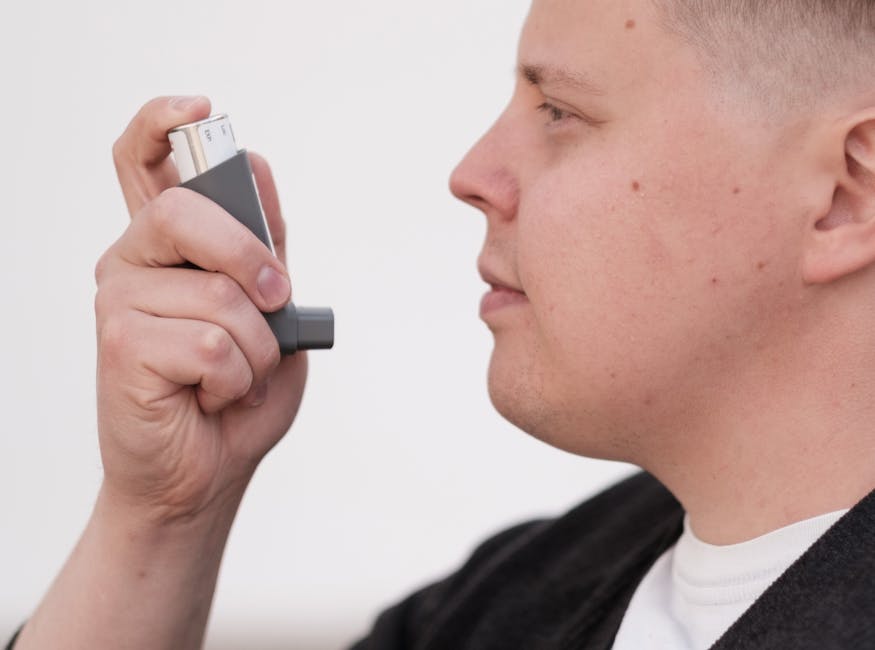
Effective Alternatives to Alcohol for Stress Relief
Integrated treatment encourages exploring and practicing alternative stress relief techniques, such as:
Mindfulness and relaxation exercises: Breathing techniques, meditation, progressive muscle relaxation. Physical activity: Yoga, walking, swimming — activities that boost mood and reduce anxiety. Creative outlets: Art, journaling, music therapy to express emotions healthily. Social support: Connecting with friends, family, or support groups rather than isolating. Problem-solving skills: Learning to identify stressors and actively manage or change stressful situations.Real-Life Example
Consider Mark, who faced chronic stress from job pressures and started using alcohol nightly to "take the edge off." In integrated treatment, he learned:
- How to identify triggers that ramp up his stress. Mindfulness exercises that helped calm his racing thoughts. Strategies to communicate his needs assertively at work. Healthy routines like morning jogs that improved his mood.
Think about it: over several months, mark reduced his reliance on alcohol and gained confidence to manage stress without drinking.
How to Find Integrated Treatment Near You
If you’re ready to explore integrated treatment, websites like FindATopDoc help connect you to qualified healthcare professionals who specialize in co-occurring disorders.
- Start at FindATopDoc Home to search for local providers. Use the Expert Directory to find clinicians experienced in integrated treatment. Read blog posts on their Blog Listing for more insights on stress management and dual diagnosis.
Summary Checklist: Managing Stress Without Alcohol Through Integrated Treatment
Step Description 1. Recognize Co-occurring Disorders Understand when mental health and substance use problems occur together. 2. Identify the Self-Medication Cycle Notice if using alcohol is a way of coping with stress or emotional pain. 3. Seek Integrated Treatment Find professionals offering coordinated care for both issues simultaneously. 4. Learn Stress Management Skills Practice mindfulness, exercise, and healthy problem-solving techniques. 5. Explore Alternatives to Alcohol Engage in social activities, hobbies, or new routines that reduce stress. 6. Access Ongoing Support Utilize peer groups, follow-up care, and relapse prevention resources.Final Thoughts
Integrated treatment offers a hopeful, evidence-based path for those struggling to manage stress without relying on alcohol. By addressing both mental health and substance use together, it breaks the self-medication cycle and builds sustainable stress management skills. Remember, recovery and change take time—there are no quick fixes or one-size-fits-all solutions. But with the right support, coping without substances can become a lasting reality.
For more https://bizzmarkblog.com/how-do-i-support-a-partner-with-depression-and-addiction/ information on finding integrated treatment and expert advice on managing stress and co-occurring disorders, visit FindATopDoc today.